Loading
 Back to Wine List
The Collection
Crisp, aromatic, and endlessly versatile.
The Selection
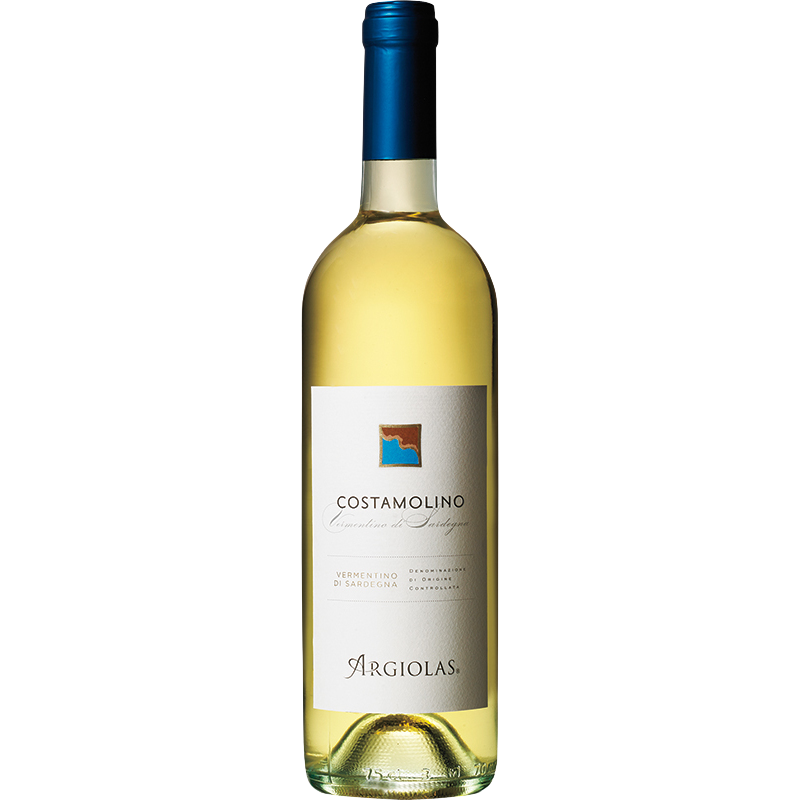
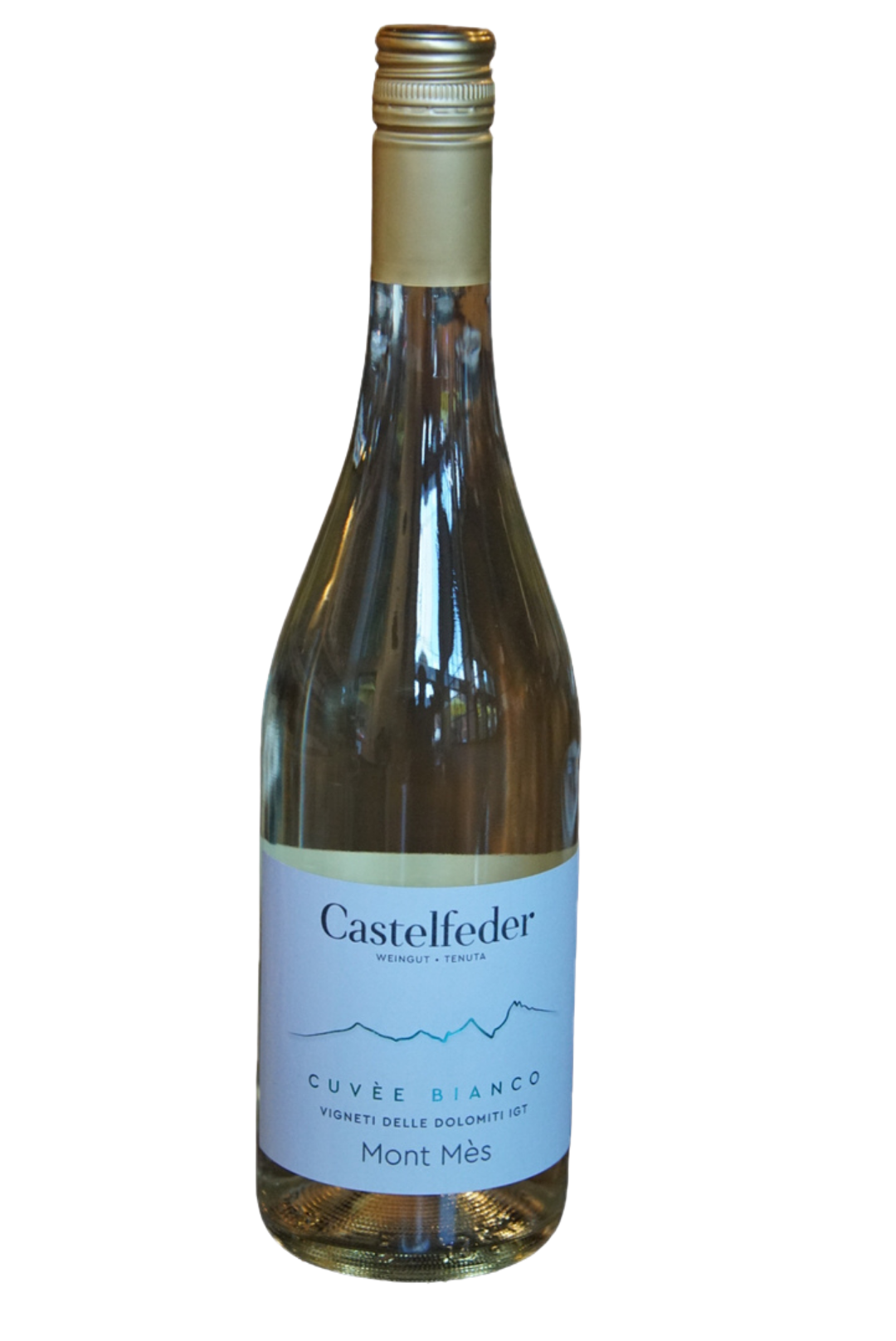
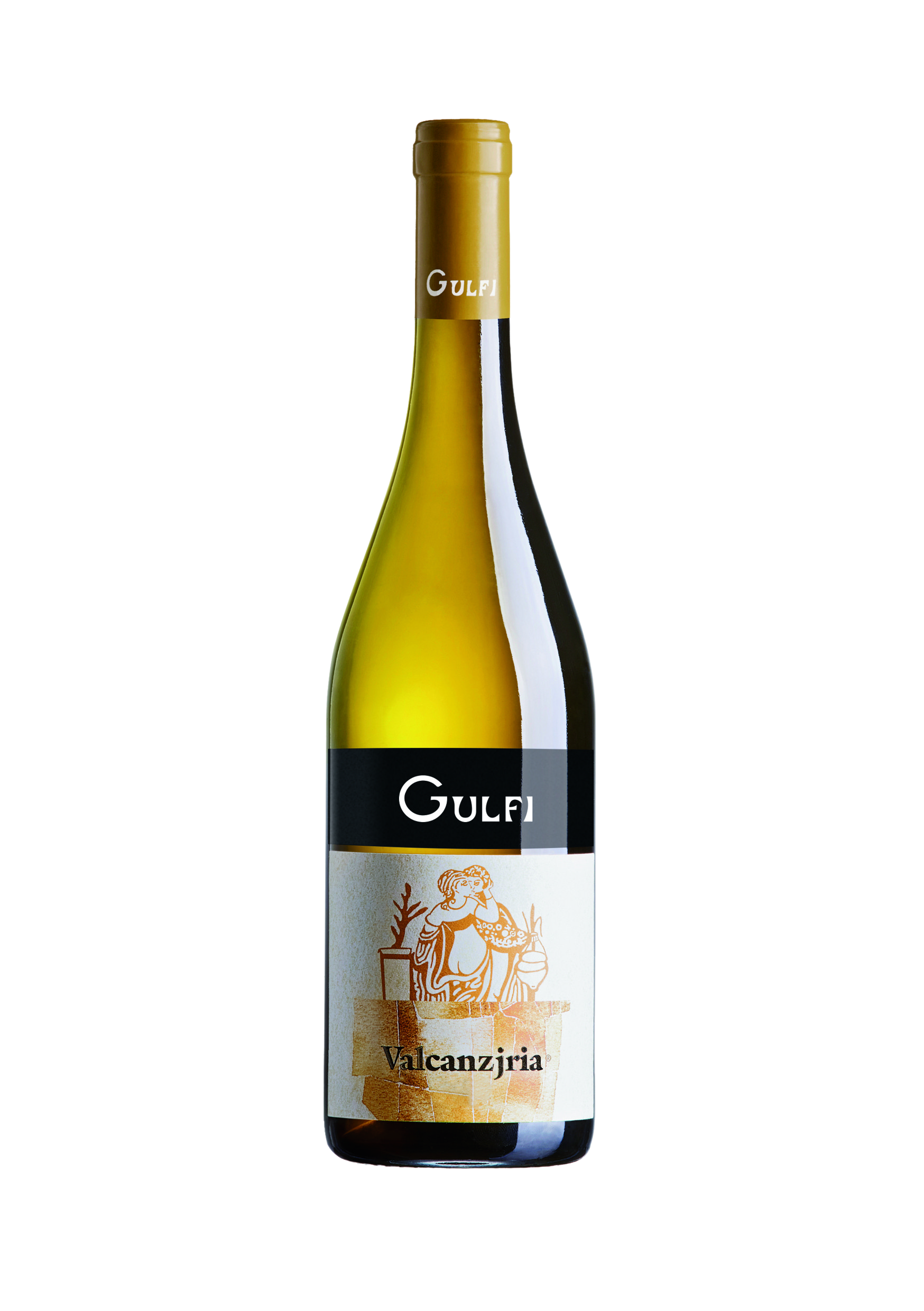
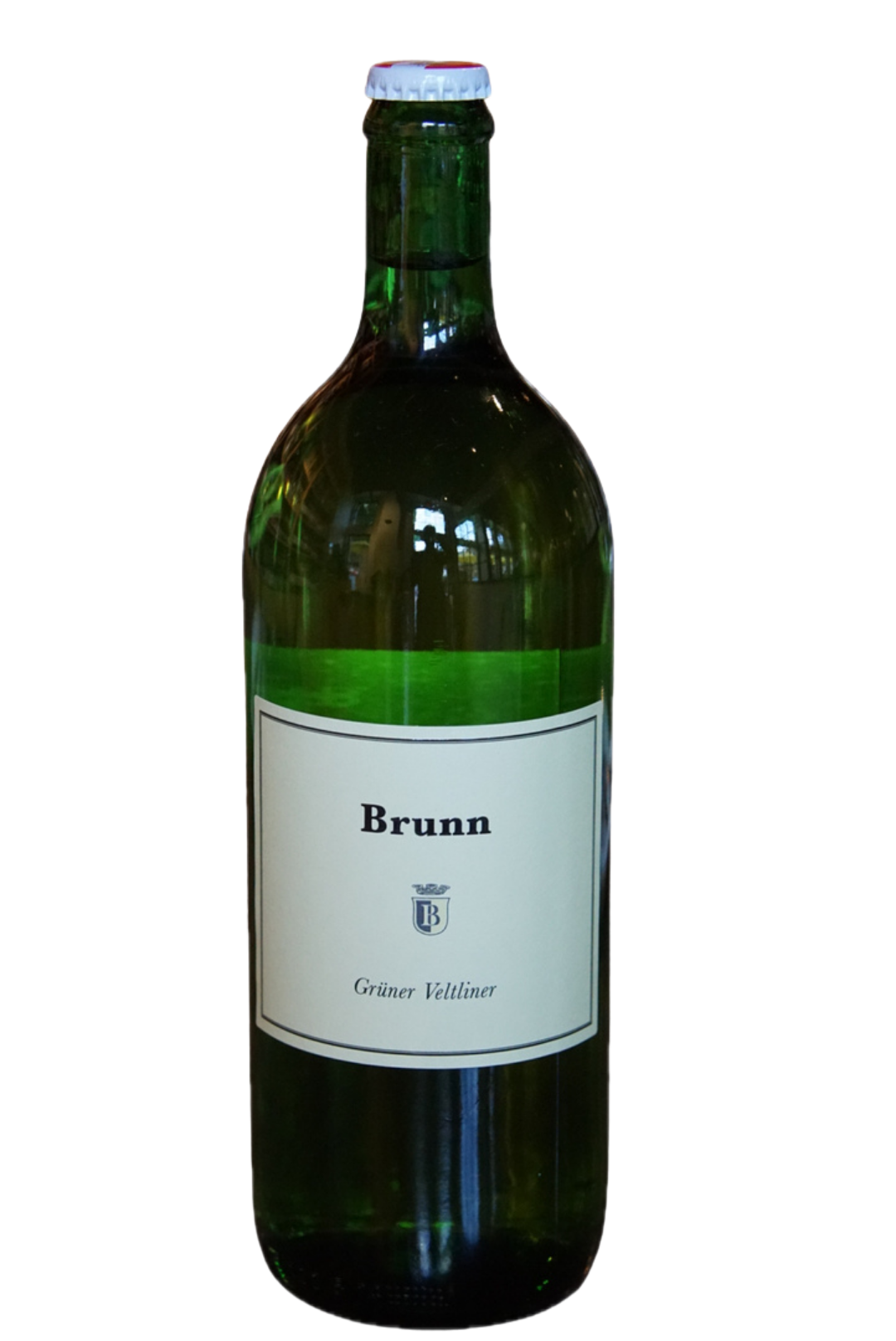
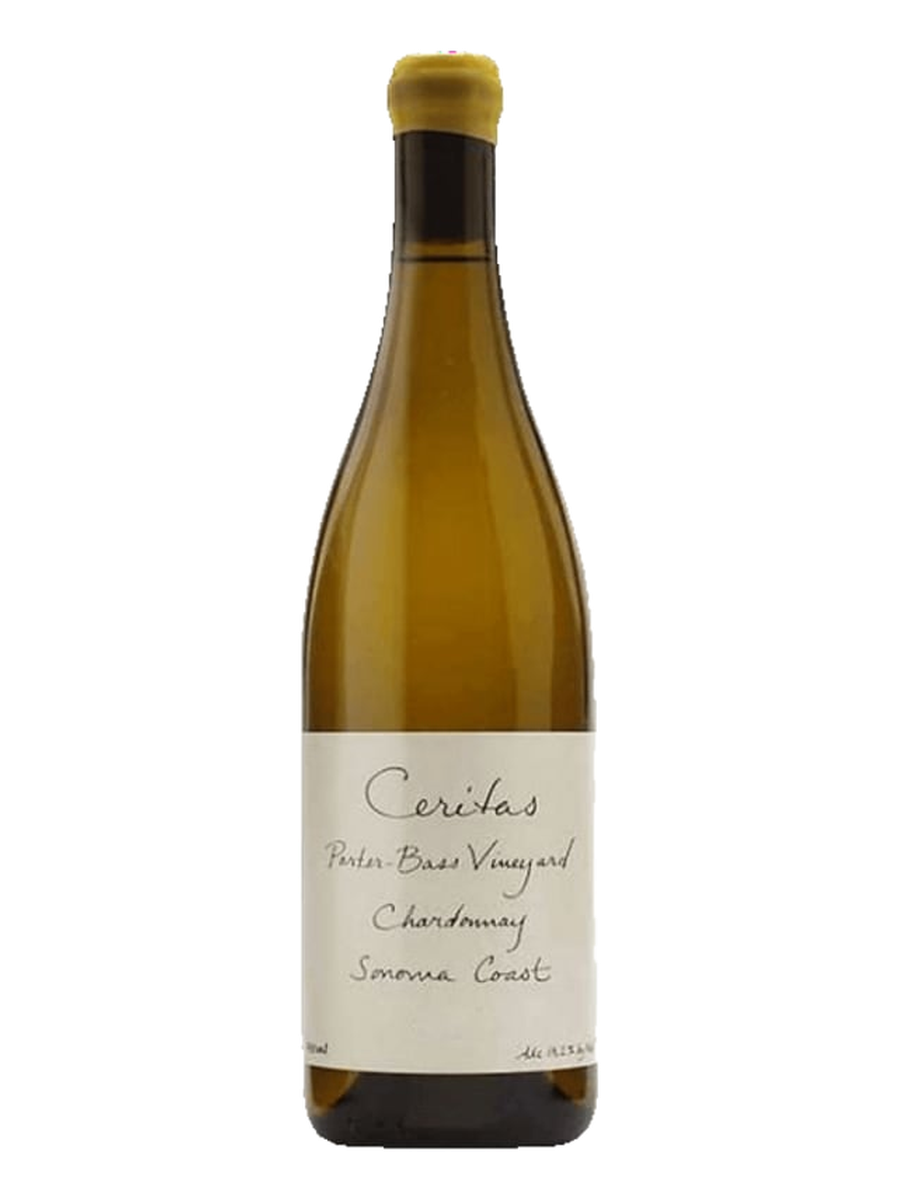
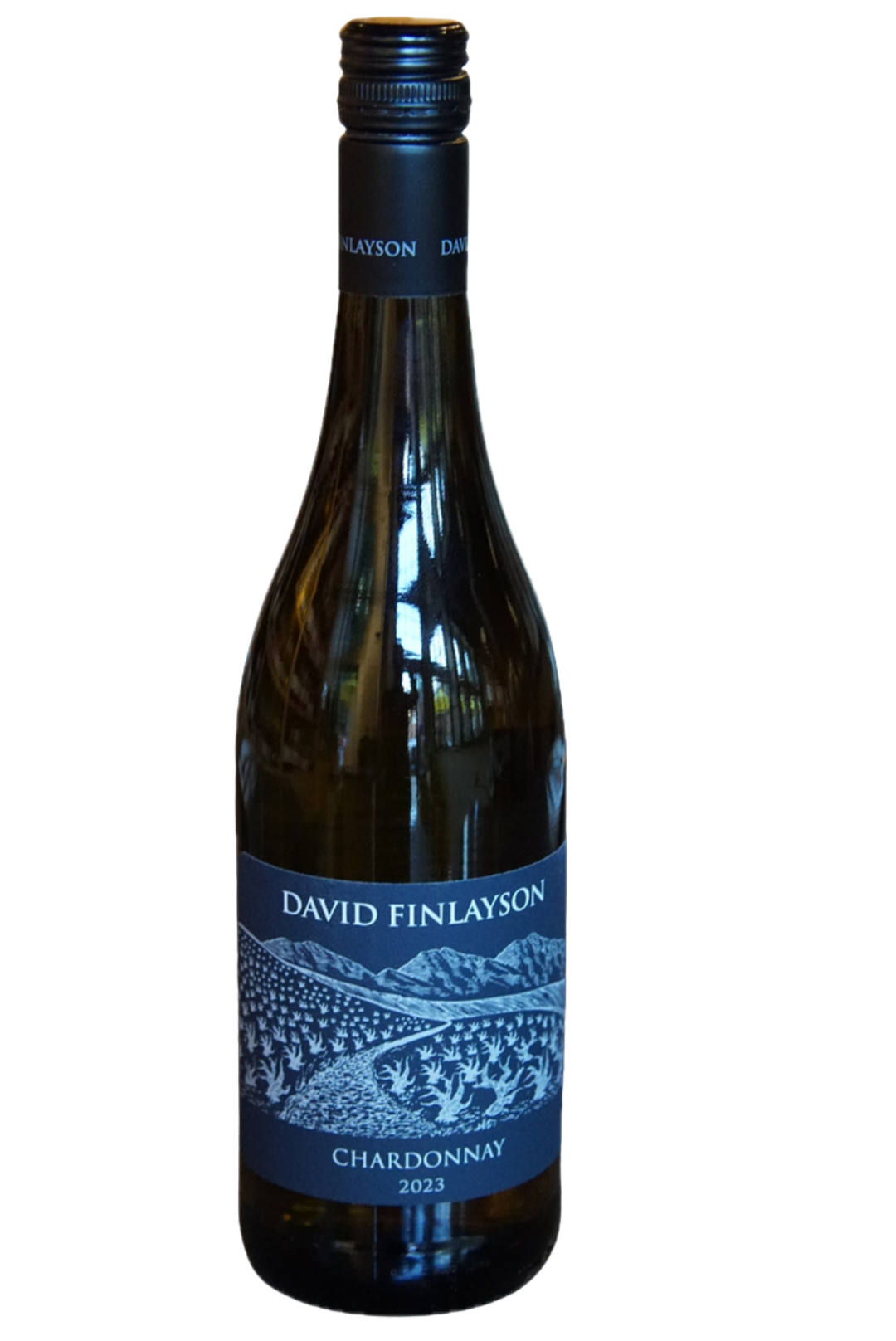
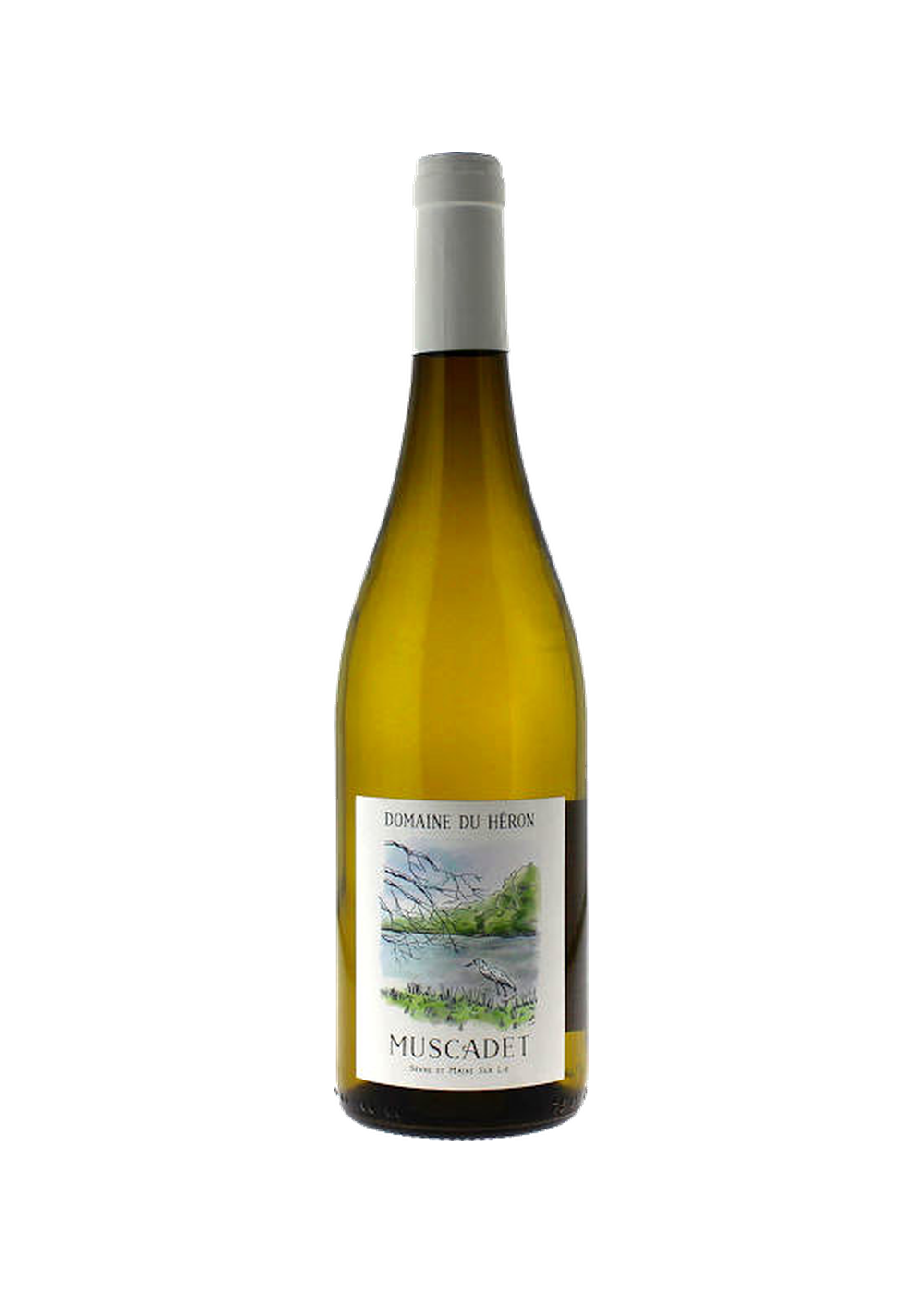
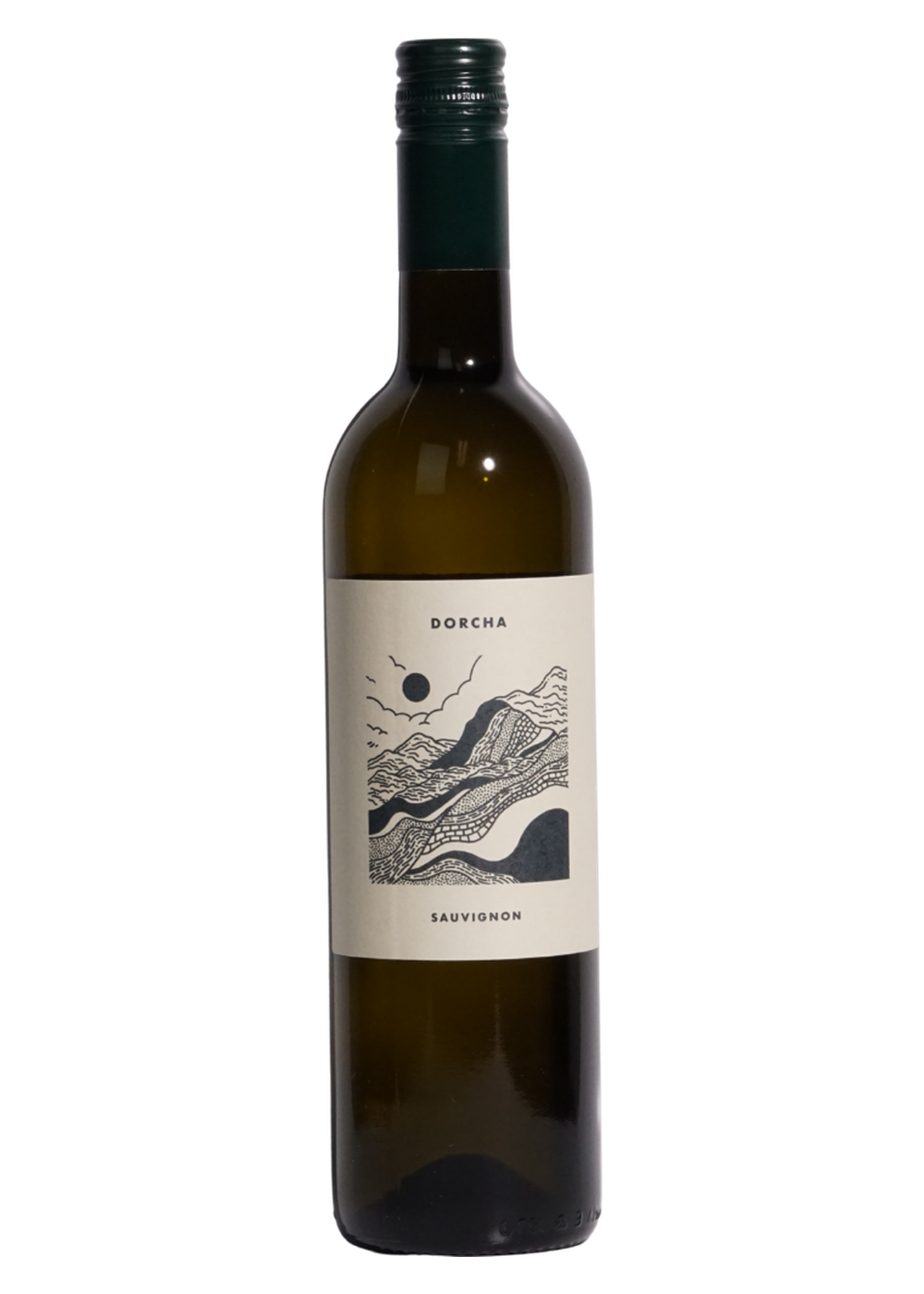
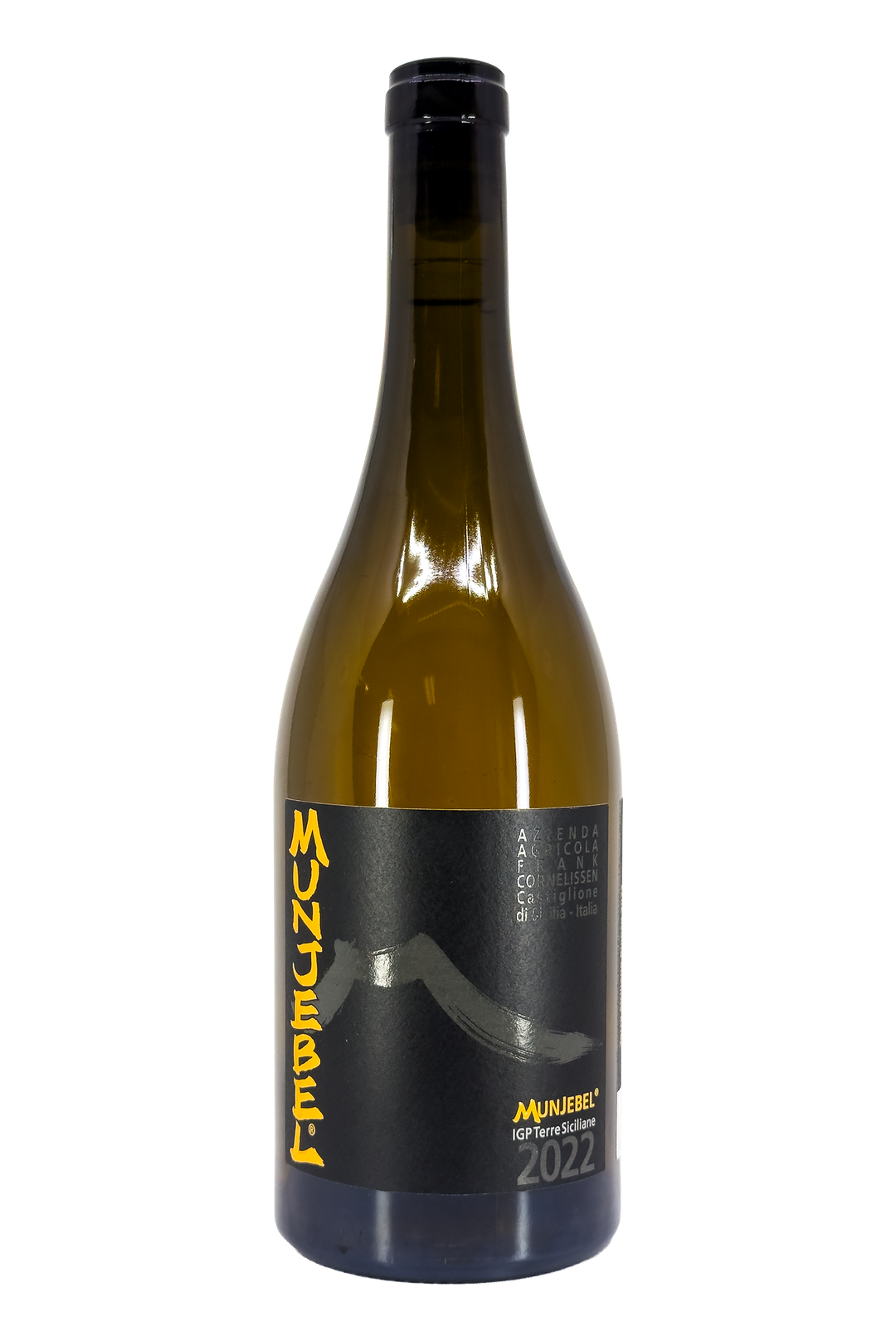
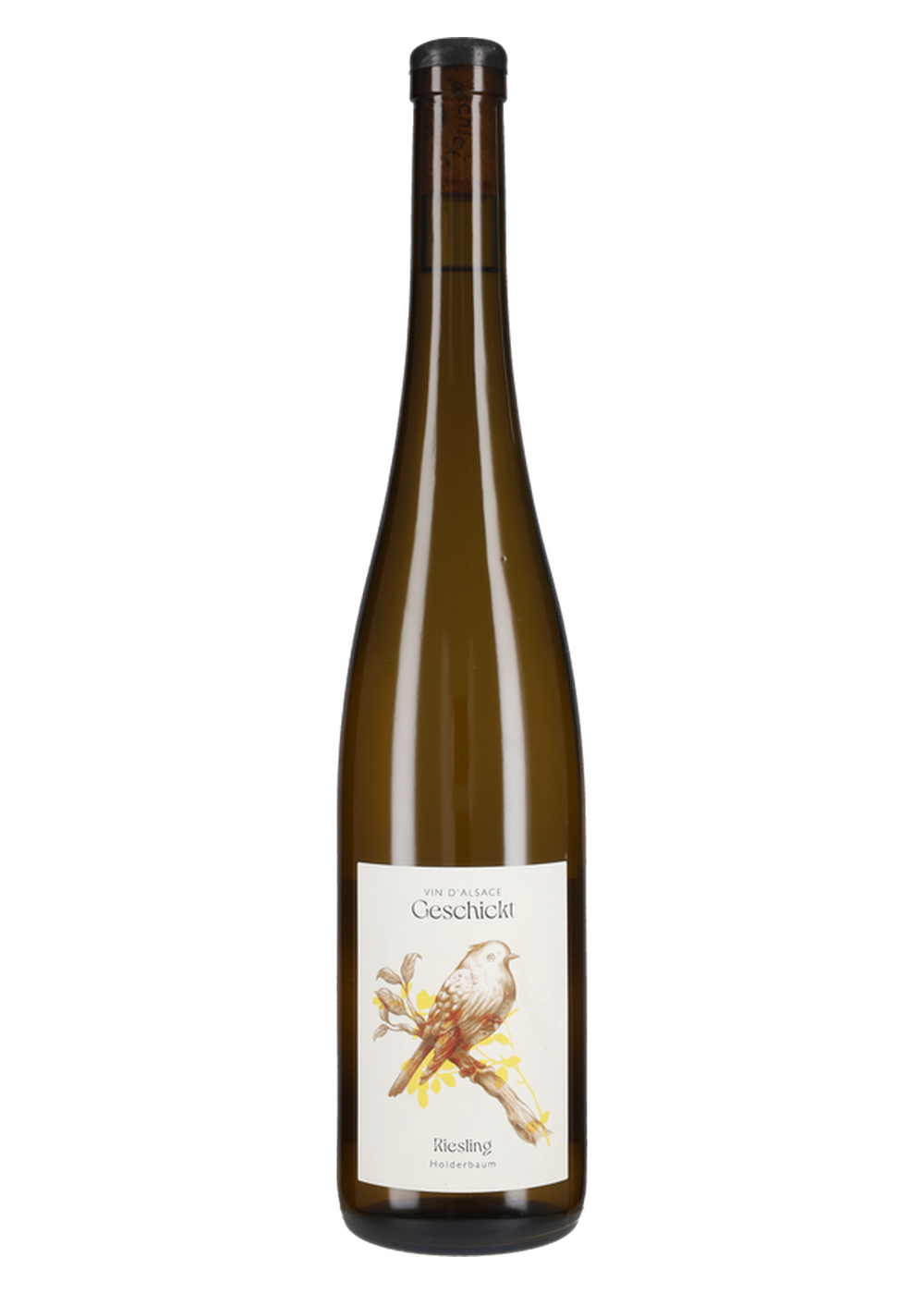
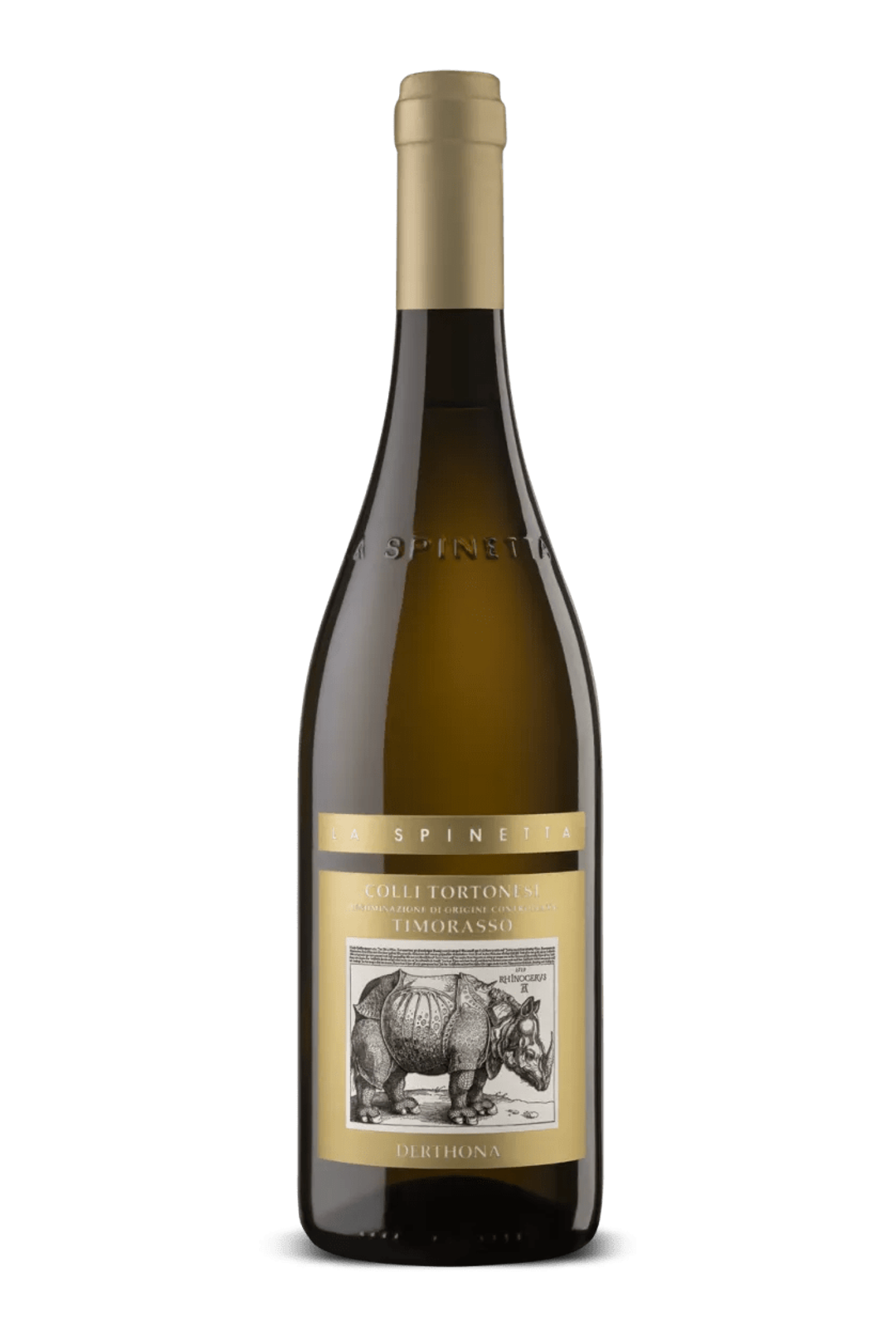
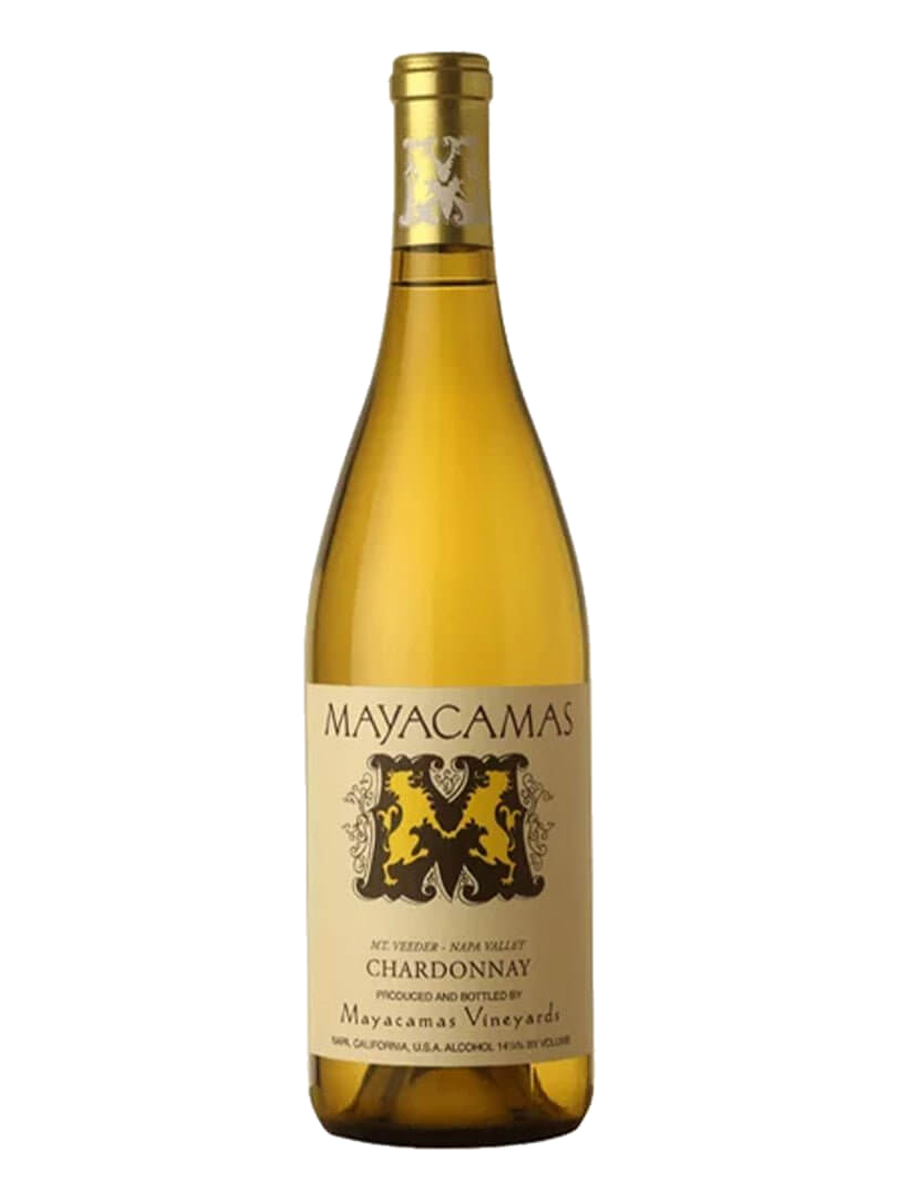
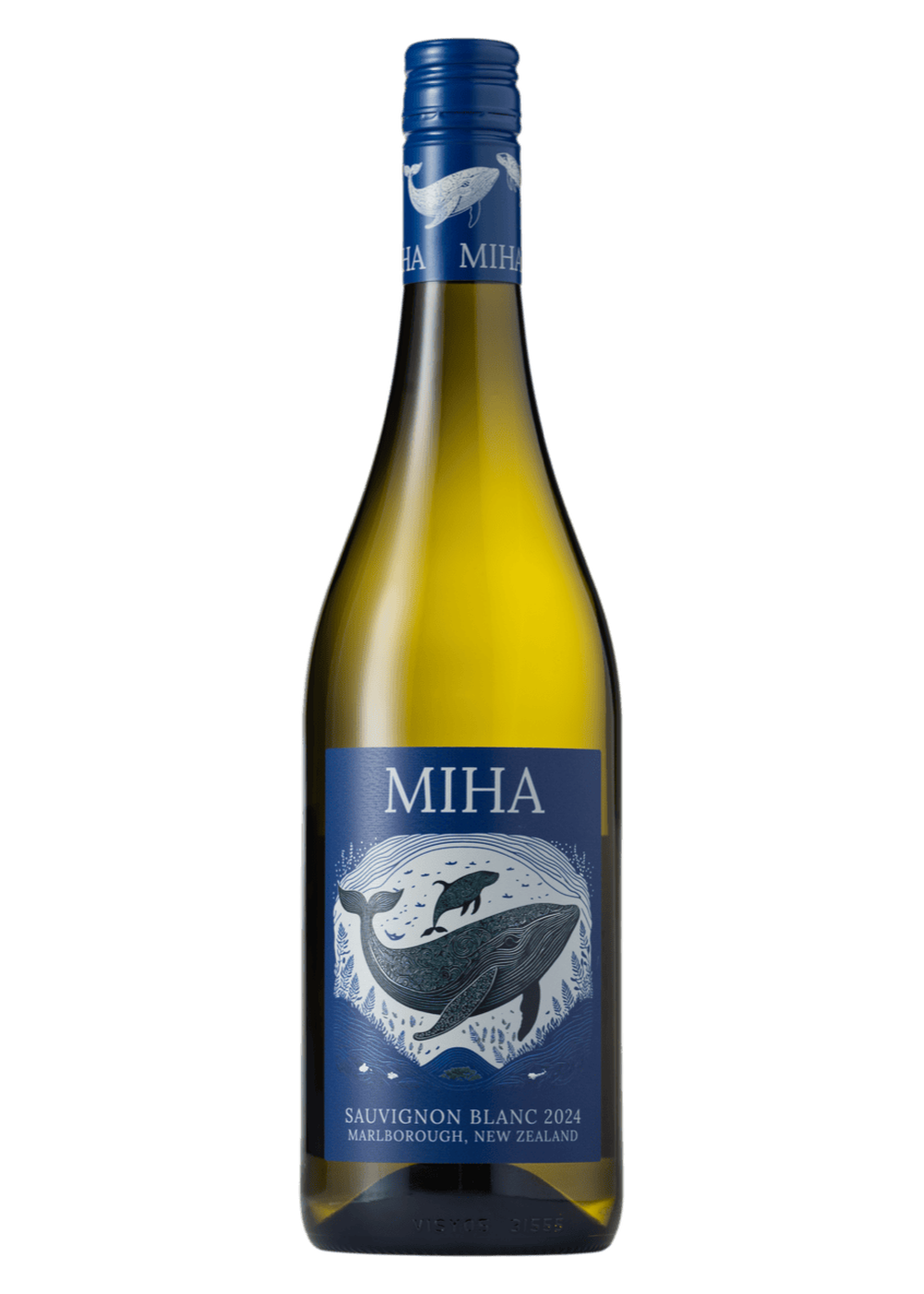
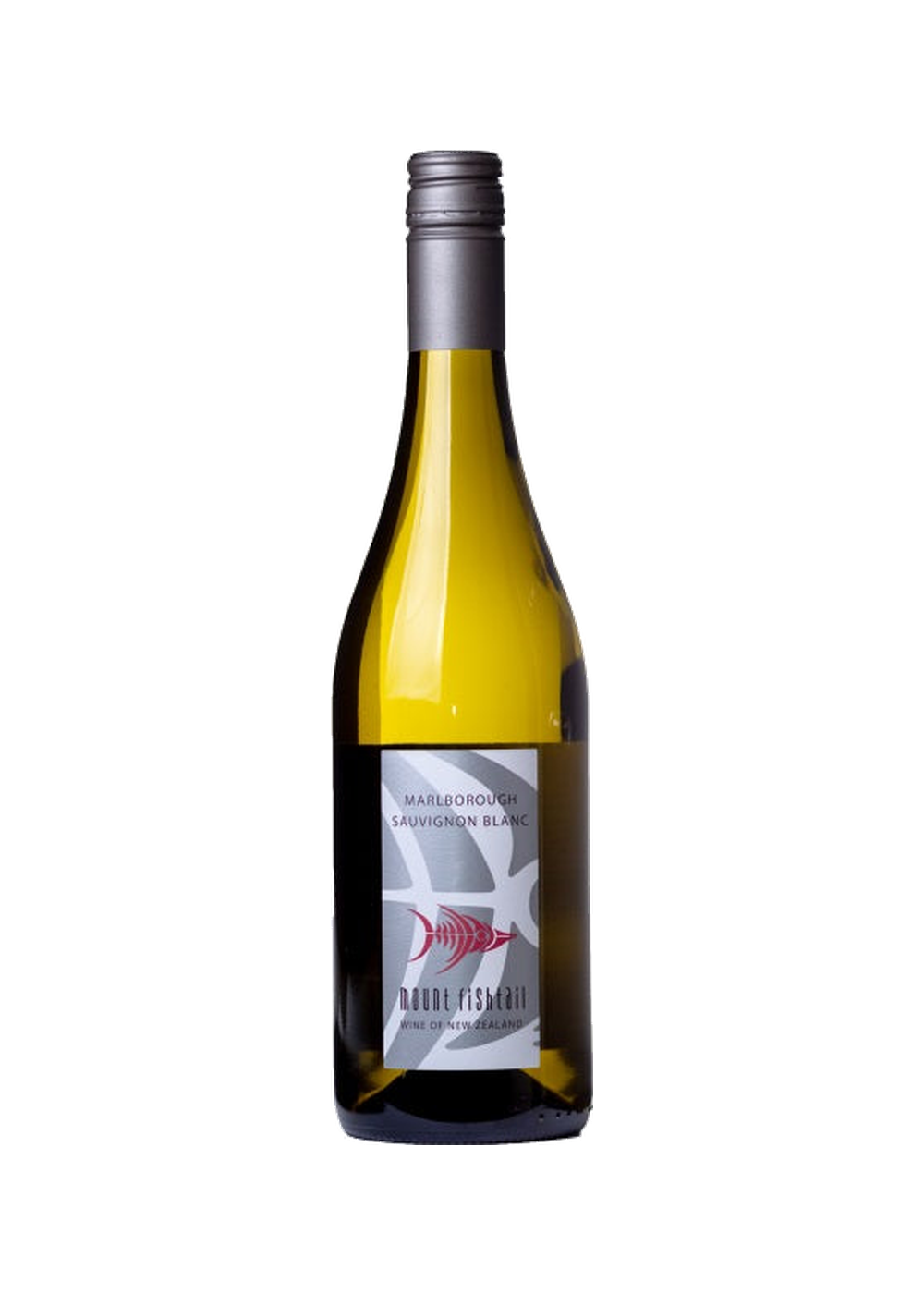
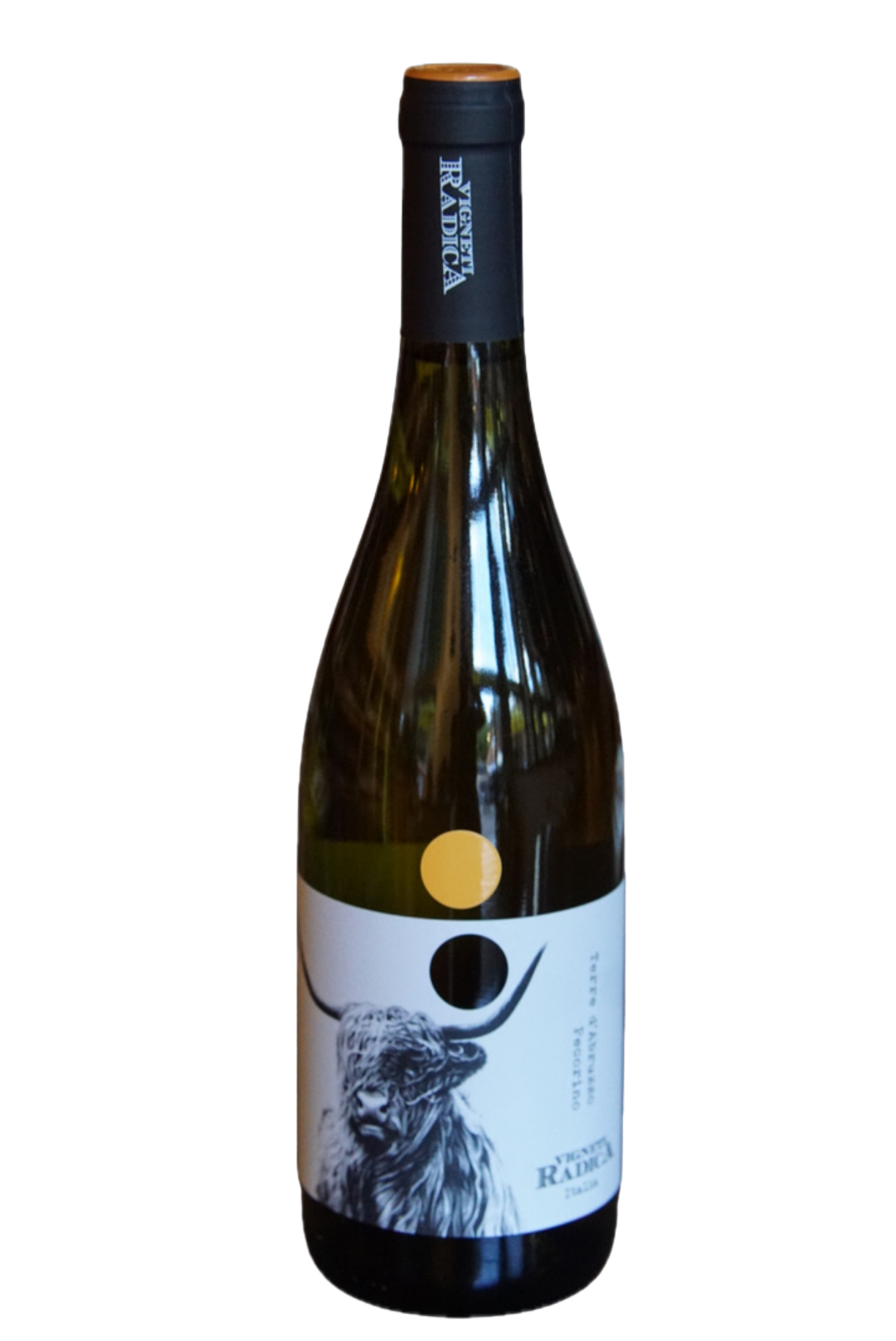
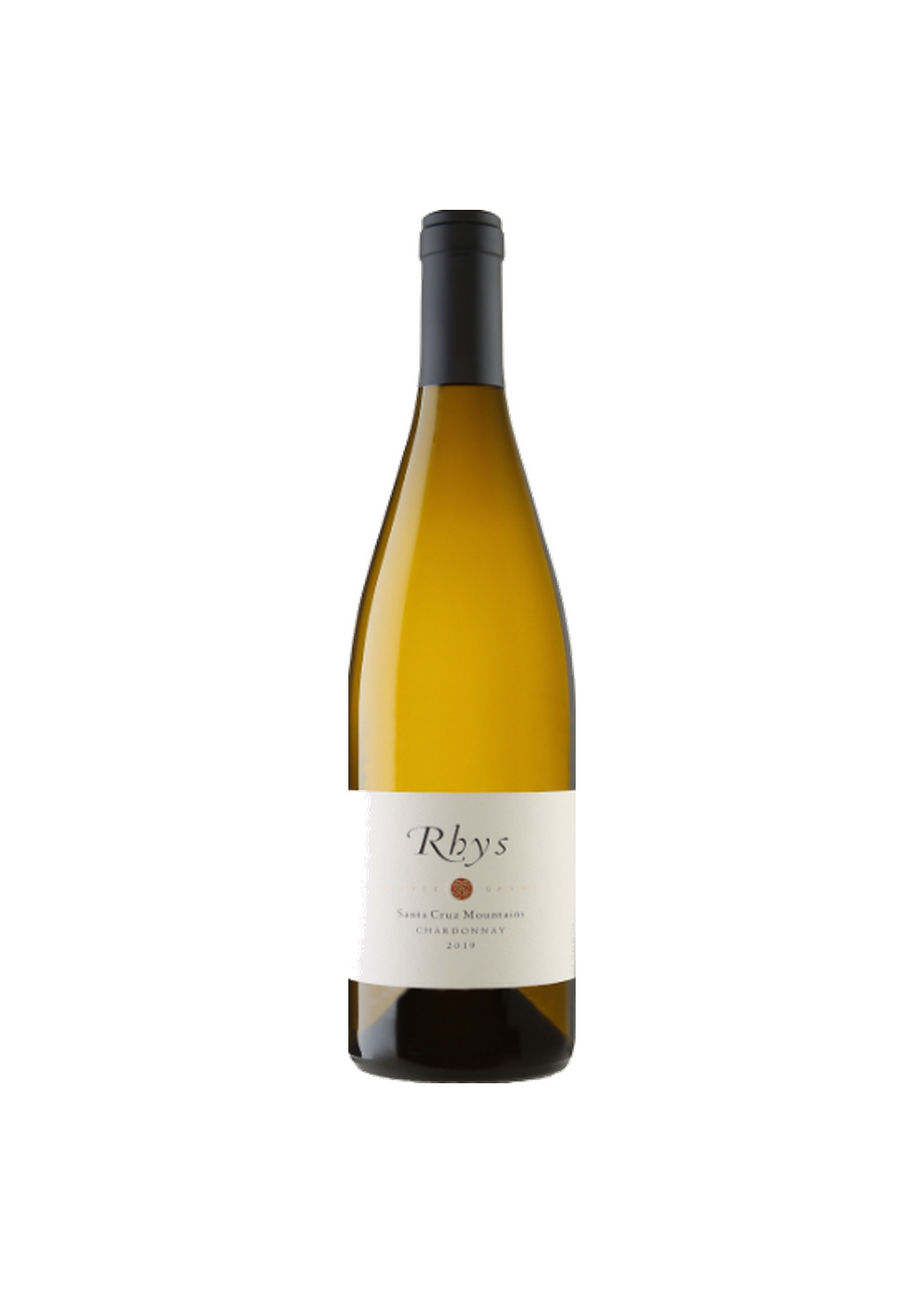
Browse current white bottles available through the Bar Torino bottle shop before reading the deeper style notes below.
The History
White wine is the oldest form of wine. Before anyone figured out how to extract color and tannin from grape skins through prolonged maceration, the simplest thing to do with a grape was to crush it, collect the juice, and let it ferment.
Even dark-skinned grapes produce clear juice when pressed quickly enough, and for thousands of years, most wine made across the ancient world was effectively white, regardless of the color of the grape. The Greeks traded white wines across the Mediterranean. The Romans planted white grape varieties throughout their empire, from the sun-drenched hills of southern Italy to the cool river valleys of what would become France and Germany.
Wine historians believe that the Phoenicians, so impressed by the suitability of Italy's climate and soils for vine cultivation, named the peninsula Oenotria: the land of wines.
But the story of white wine as we know it today, as a category defined by freshness, acidity, aromatics, and the transparent expression of place, is really a story that unfolds across the last several centuries of European winemaking. It is a story about generations of growers learning which grapes thrived in which soils, which hillside exposures produced the most balanced fruit, when to harvest for optimal acidity, and how to handle the juice in the cellar to preserve its most delicate qualities.
Italy's contribution to that story is immense and, for much of the modern era, profoundly underappreciated. While the world fixated on Burgundy's Chardonnay, Alsace's Riesling, and Germany's steep slate vineyards, Italian white wine was dismissed as something simple, something to drink young and forget. That perception has changed dramatically.
“Today, the mineral Vermentino of Sardinia, the textured Ribolla Gialla of Friuli, the floral Arneis of Piedmont: these are recognized as some of the most exciting white wines on the planet.”
The Process
The fundamental distinction between white wine and red wine is contact with grape skins. In red winemaking, crushed grapes are left to macerate with their skins for days or weeks, extracting color, tannin, and a range of phenolic compounds. In white winemaking, the juice is separated from the skins almost immediately after crushing.
This simple difference has profound implications for everything that follows. White wine is, in many ways, a more exposed form of winemaking. Without the protective structure of tannins, every decision the winemaker makes is audible in the finished wine.
Techniques
The most common approach for white wines that prioritize freshness, fruit purity, and aromatic intensity. The neutral vessel imparts no flavor of its own, and temperature can be controlled precisely to preserve volatile aromatic compounds.
When white wine is fermented or aged in oak barrels, it absorbs compounds that contribute aromas of vanilla, toast, butter, smoke, and spice. Oak also allows slow, controlled exposure to oxygen that softens acidity.
A secondary fermentation where sharp malic acid is converted to softer lactic acid. In wines where crispness is the goal, winemakers prevent it. In wines where a rounder texture is desired, it is encouraged.
After fermentation, dead yeast cells settle to the bottom. If the wine remains in contact with these lees, autolysis gradually releases proteins that add body, texture, and a subtle savory quality.
Grape Varieties
The four grapes in our selection span an extraordinary range, from the lightest and most floral to the richest and most texturally complex.
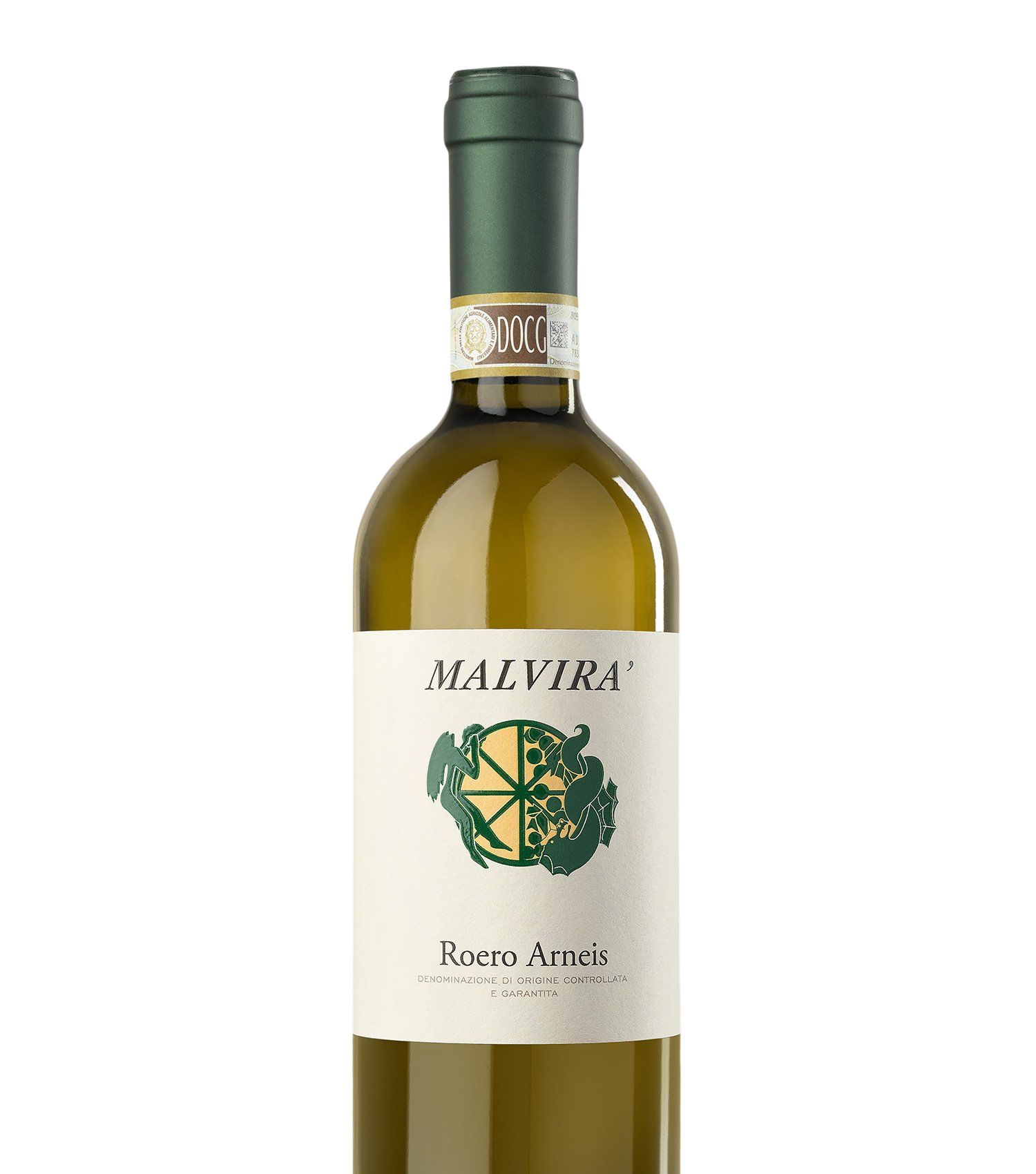
The name translates to "little rascal" in Piedmontese dialect, a reference to the grape's reputation as difficult in the vineyard. First documented in 1478, Arneis yields dry, subtly scented wines with aromas of white flowers, pear, almond, chamomile, and stone fruit.
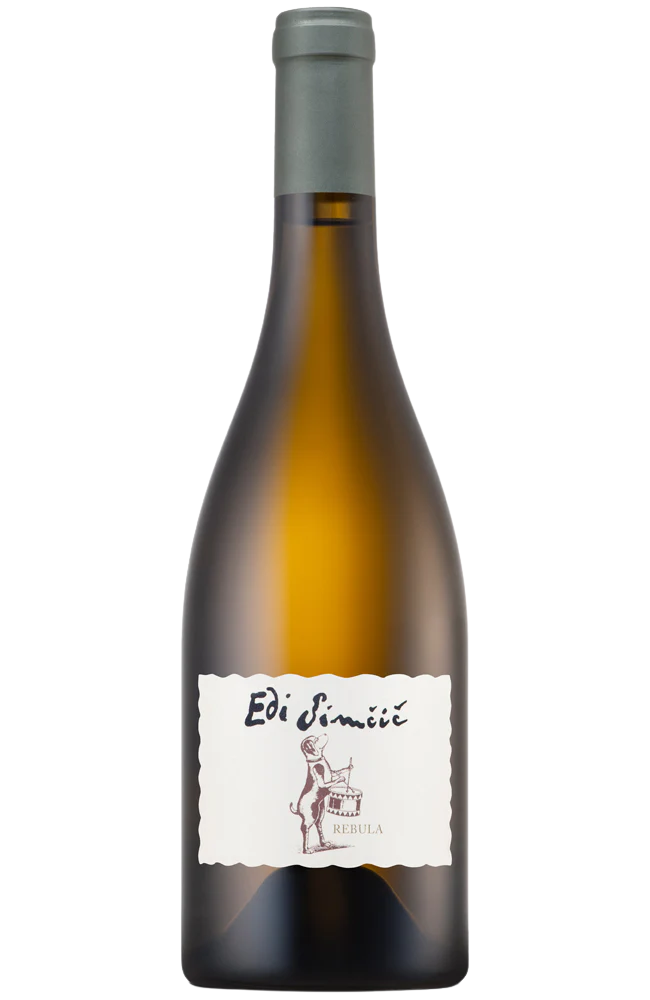
One of the oldest documented grape varieties in northeastern Italy, traceable to the thirteenth century. The grape straddles a border that was a political fault line, producing wines golden in color, rich in texture, mineral and saline on the finish.
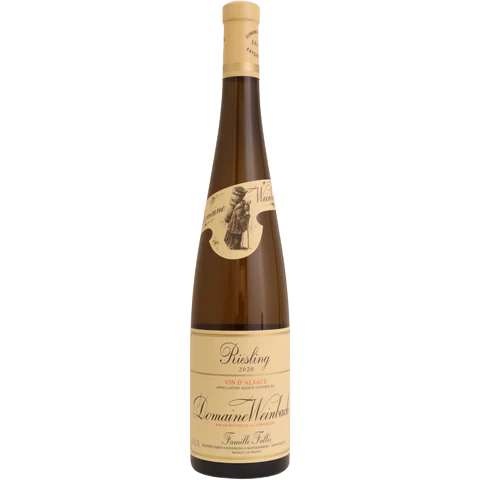
By consensus of most serious wine professionals, the greatest white grape on earth. Its combination of high acidity, intense aromatics, transparent expression of terroir, and capacity to age puts it in a class of its own.
Key Regions
Where Bar Torino's name originates. Across the Tanaro River from Barolo lies a quieter landscape of dramatic contours and sandy marine soils. The Roero is Arneis country, and DOCG status recognizes the quality of this distinctive terroir.
One of the most fascinating wine territories in Europe. Rolling hills twenty kilometers from the Adriatic, twenty from the Alps. The soils are opoka and ponca, ancient sedimentary marls rich in minerals. This is white wine country of the highest order.
Sandwiched between the Vosges Mountains and the Black Forest, Alsace has alternated between French and German sovereignty. This dual heritage shows in everything from architecture to grape varieties. Riesling is the region's noblest expression.
Geographically and culturally distinct from mainland Italy. Winemaking dates to approximately 1200 BC. The landscape is wild and beautiful: rocky coastlines, juniper-covered dunes, and limestone hillsides. Vermentino thrives here.
At The Table
White wine is, at its core, a food wine. Where red wines can stand alone as contemplative drinks, white wines are almost always better at the table, where their acidity, freshness, and aromatic complexity interact with food.
Vitello tonnato, fresh pasta in cream sauces, risotto, roasted white fish, burrata, charcuterie
Roasted poultry, mushroom dishes, aged cheeses, grilled branzino, seared scallops, meatballs
Spiced dishes, Asian cuisines, smoked meats, sauerkraut, roasted pork, duck, oysters, crab
Grilled fish, seafood pasta, fritto misto, caprese salad, anything with olive oil and herbs
How to Serve
8 to 12°C
Lighter, more aromatic wines like Arneis and Vermentino benefit from the cooler end. Richer wines like Ribolla Gialla and oak-aged Riesling can be served slightly warmer to reveal their layers. Refrigerate for two to three hours, then let it open in the glass.
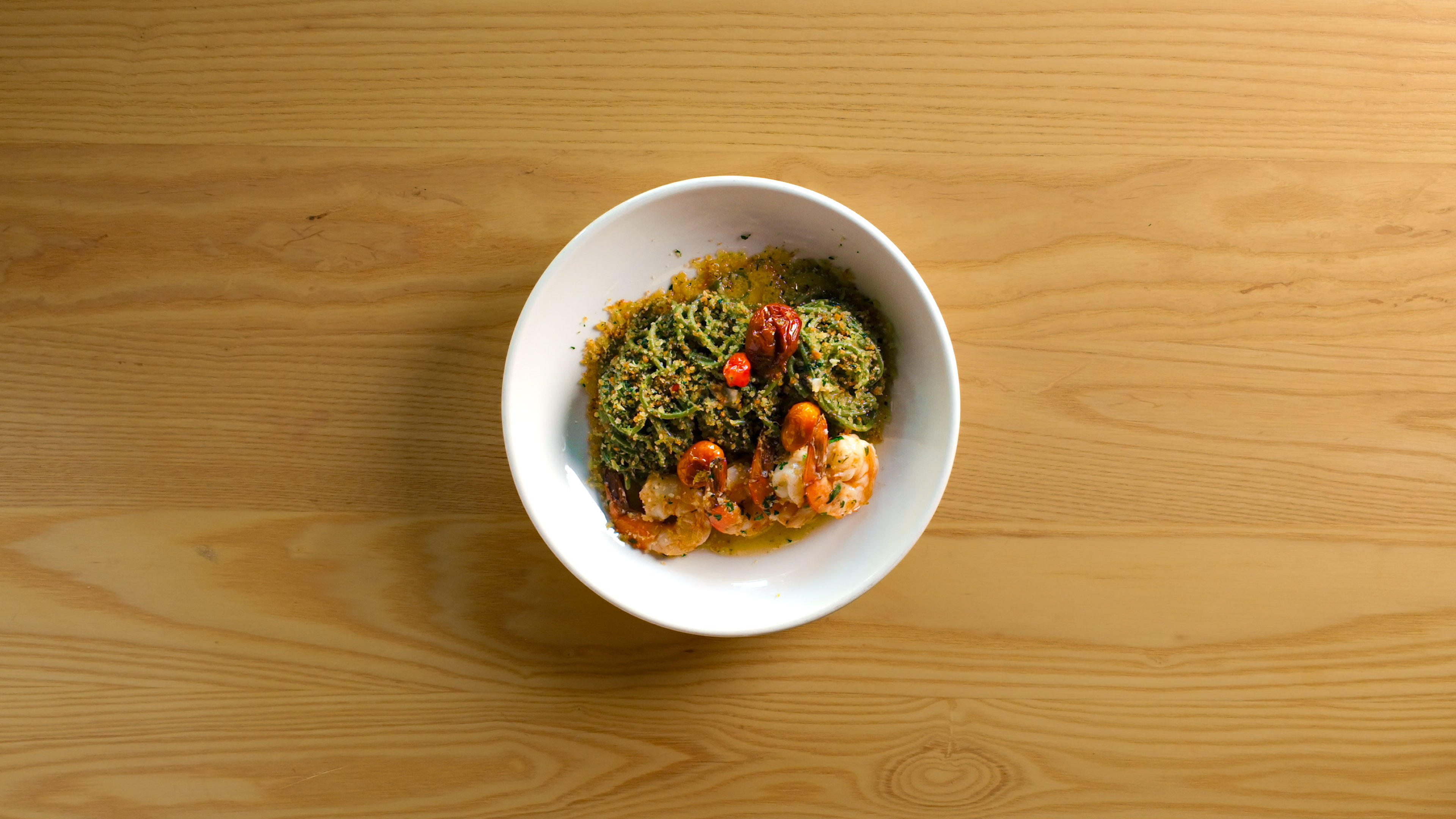
The Mediterranean's great coastal white grape. Thrives in warm, dry conditions near the sea, where maritime breezes contribute to its characteristic salinity and herbal complexity. The quintessential Mediterranean table wine.