Loading
 Back to Wine List
The Collection
Effervescent wines that celebrate.
The Selection
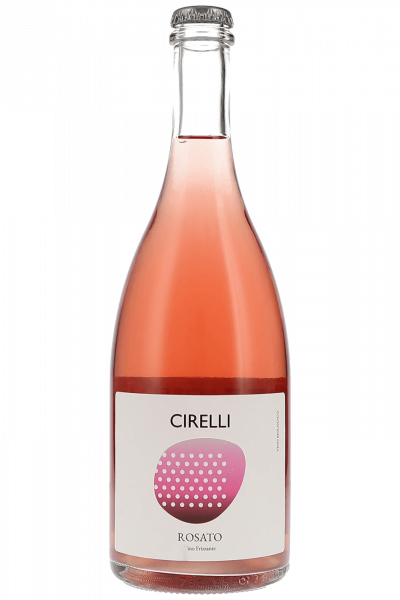
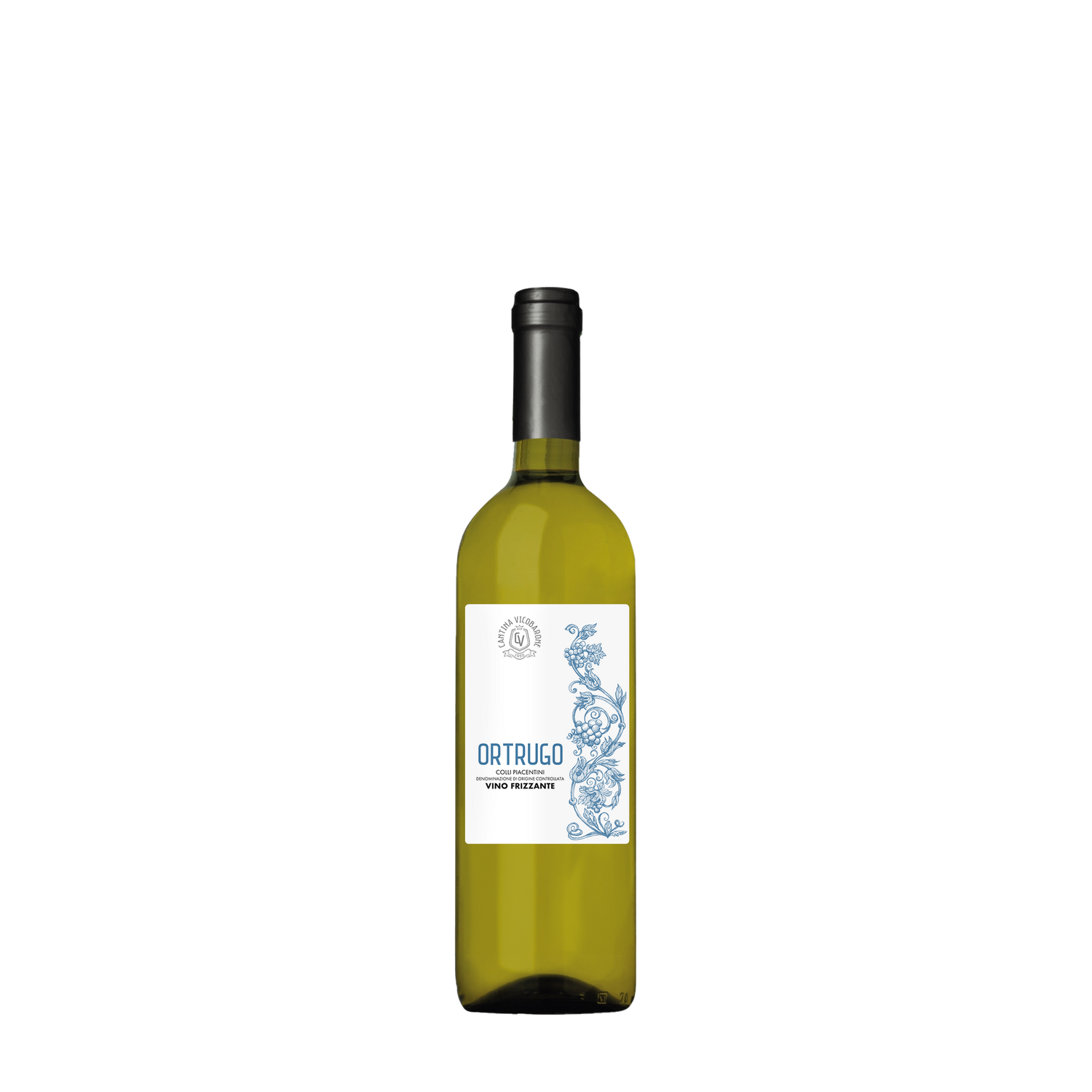
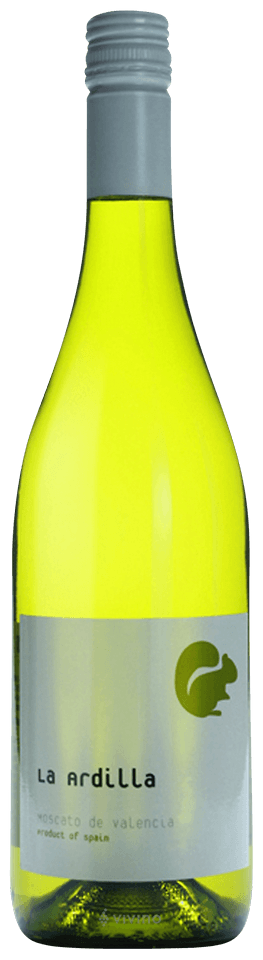
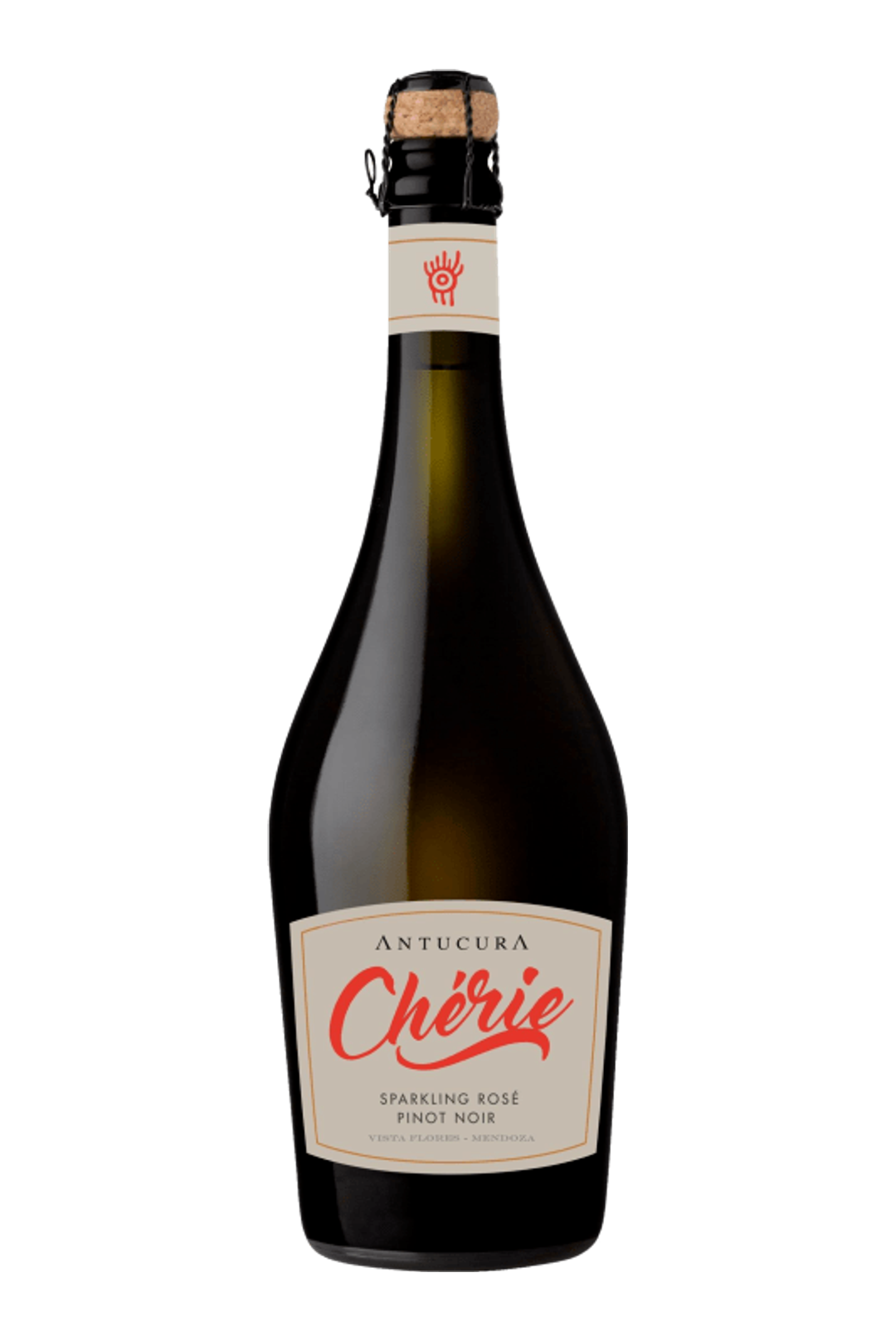
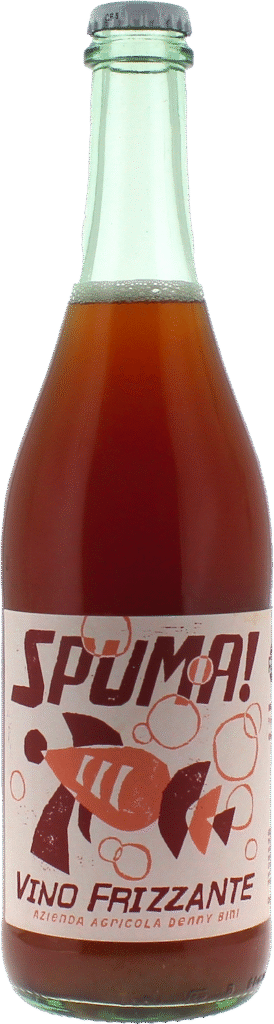
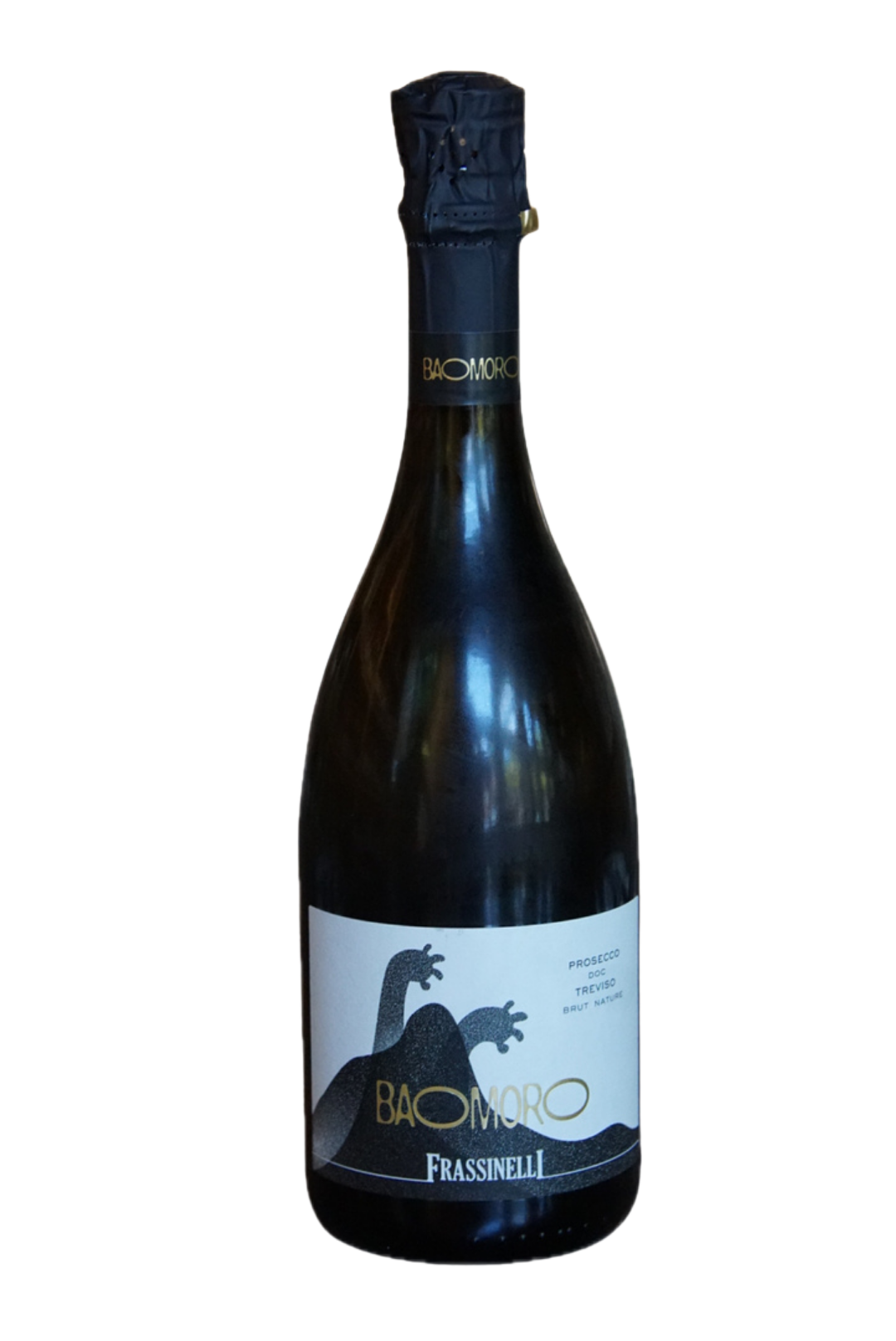
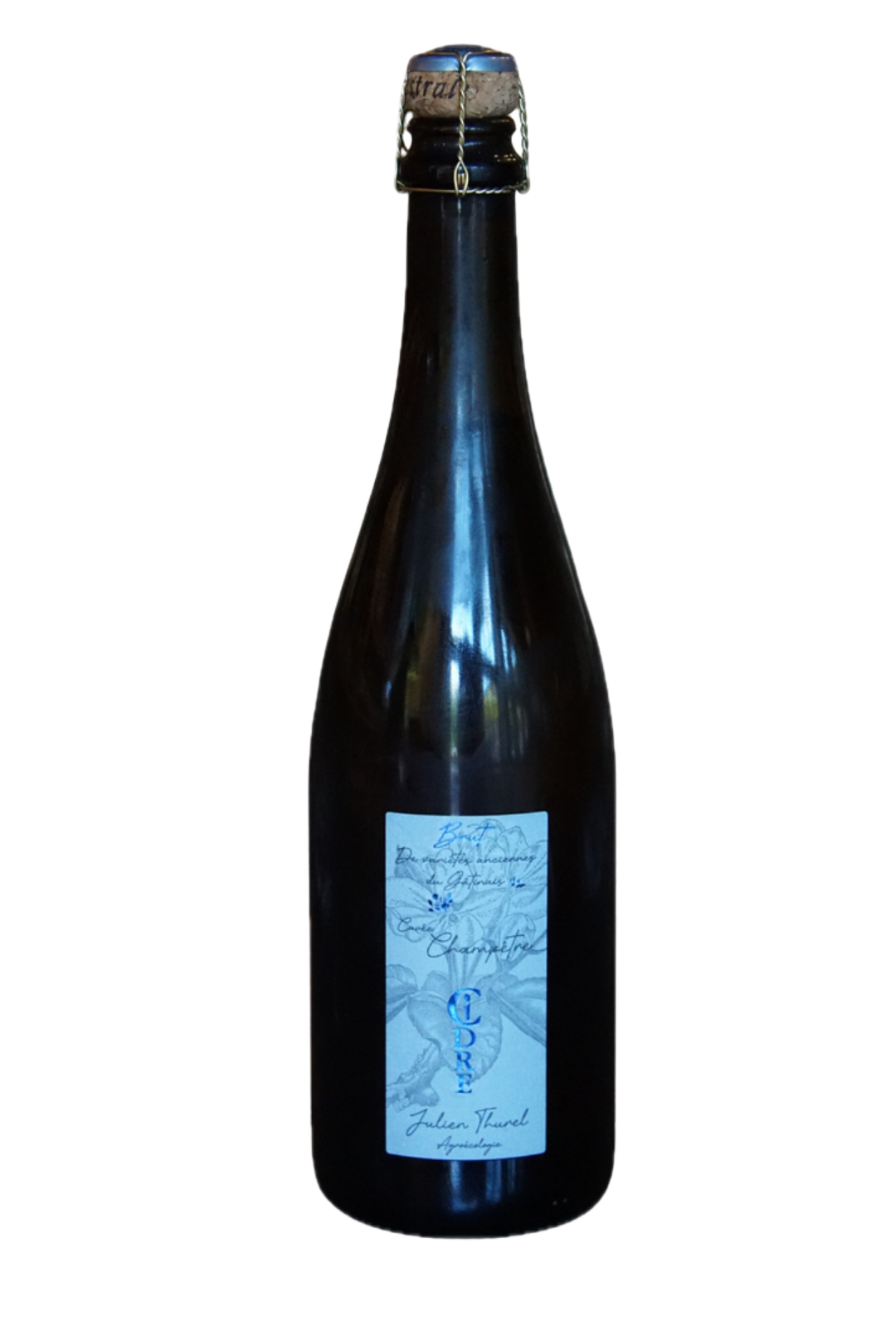
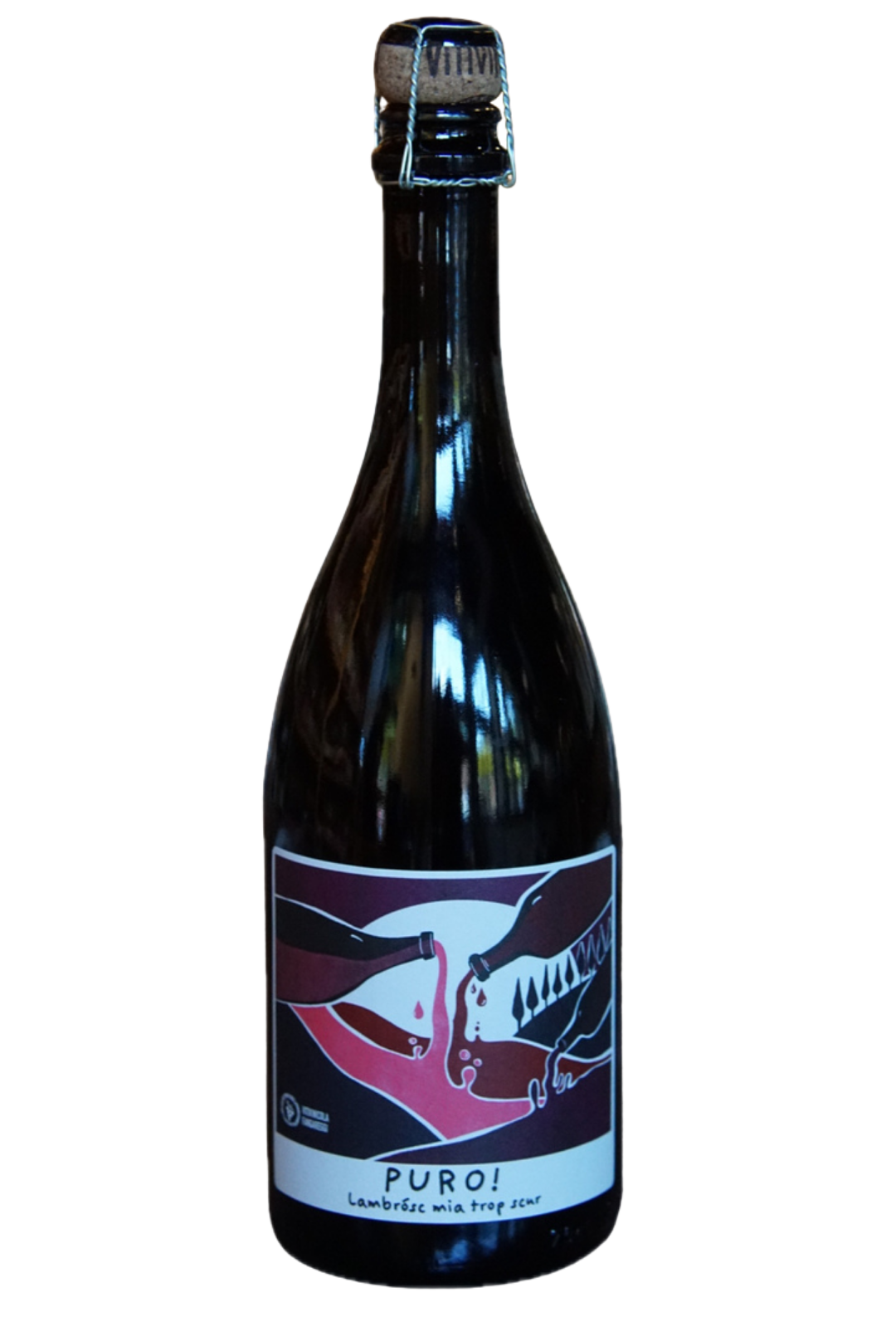
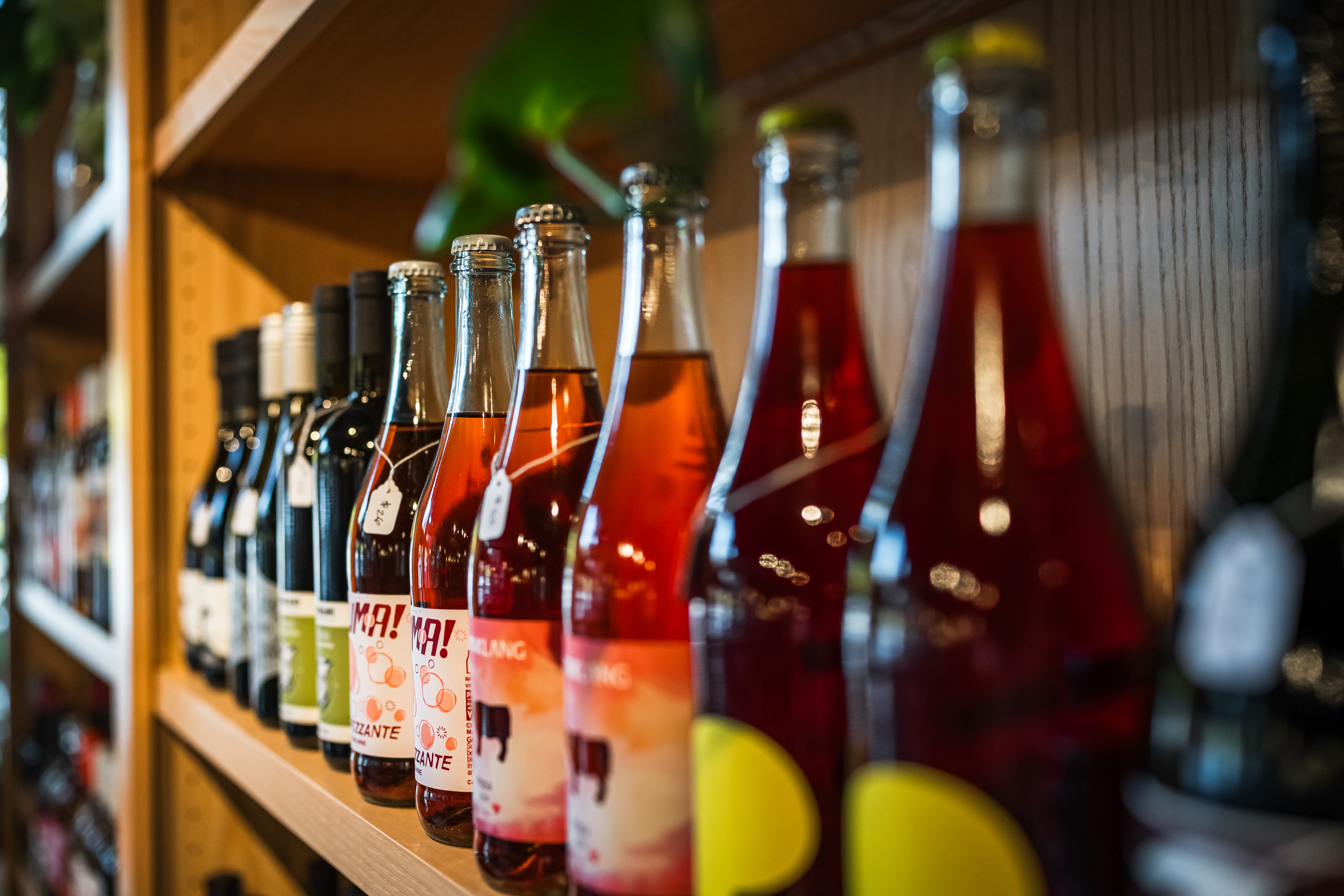
Browse current sparkling bottles available through the Bar Torino bottle shop before reading the deeper style notes below.
The Story
The history of sparkling wine is, at its core, a story about a happy accident. In the cool cellars beneath the chalk hills of Champagne, France, Benedictine monks in the seventeenth century noticed something strange happening to their wines. Bottles that had been sealed during autumn, when cold temperatures prematurely halted fermentation, would begin to referment in the spring as the cellars warmed. Carbon dioxide, trapped inside the sealed bottles, dissolved into the wine and created pressure. Some bottles exploded. Others survived and produced something entirely new: a wine with bubbles, with life, with an energy that still wine could never replicate.
For a long time, this was considered a flaw. Winemakers in Champagne wanted to make great still wines, not fizzy ones that blew corks across the cellar. But tastes changed, particularly in the English market, where merchants and drinkers began to seek out these effervescent oddities. Dom Pérignon, the Benedictine monk whose name is now synonymous with luxury Champagne, did not invent sparkling wine, despite what popular mythology suggests. What he did was pioneer the art of blending, combining grapes from different vineyards and vintages to create a base wine of greater complexity than any single vineyard could produce on its own.
From Champagne, the idea of sparkling wine spread across Europe. In the Veneto region of northeastern Italy, producers began working with the Glera grape to create Prosecco. In Lombardia, winemakers in the Franciacorta appellation developed their own tradition of bottle-fermented sparkling wines. In Trentino-Alto Adige, the mountain vineyards of Trento DOC began producing sparkling wines with the precision and freshness that come from high altitude and cold nights.
The Process
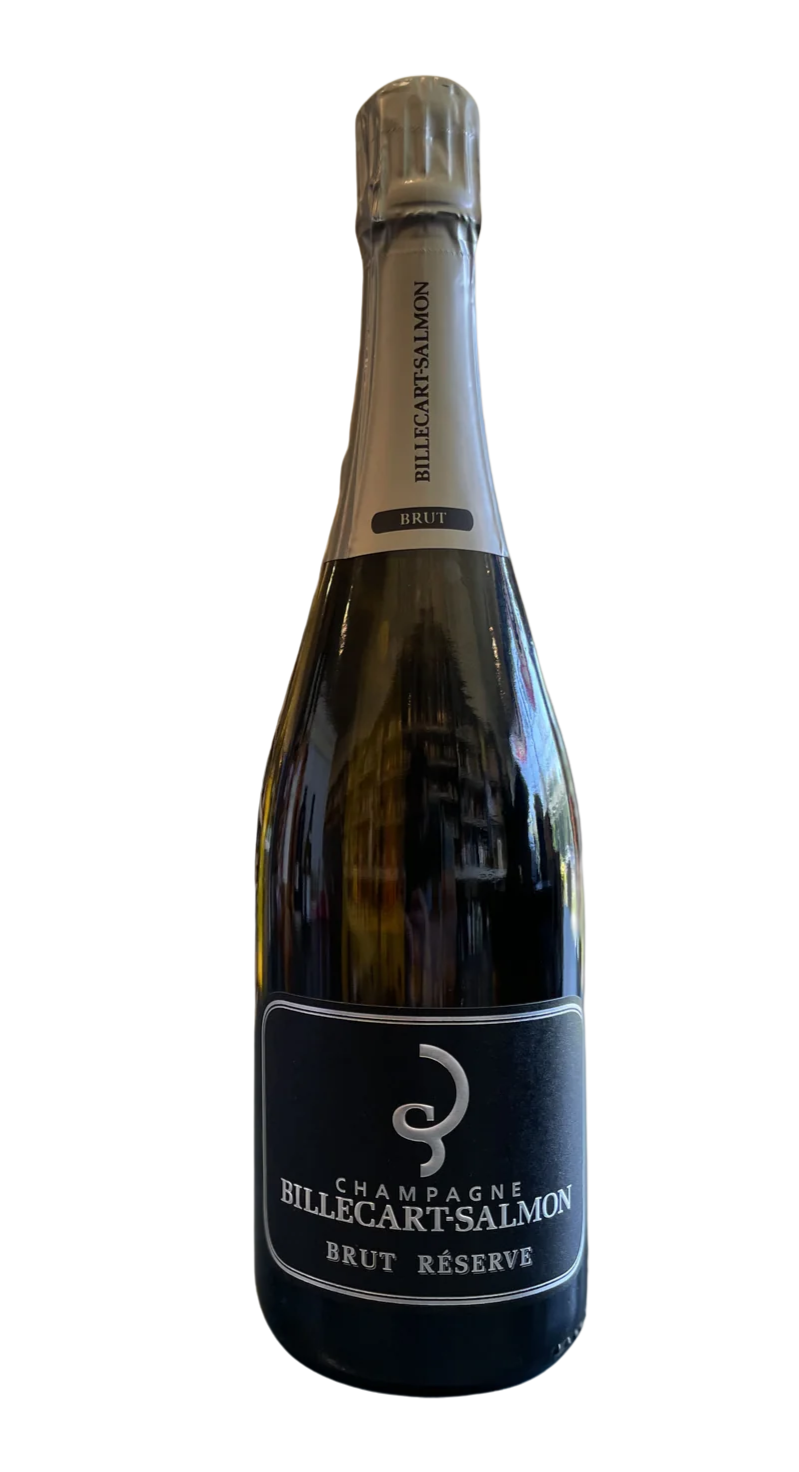
There are two primary methods for making sparkling wine. The traditional method (méthode traditionnelle) is used for Champagne, Franciacorta, Cava, and Trento DOC. A still base wine is bottled with sugar and yeast, sealed, and undergoes second fermentation inside the bottle. The CO2 dissolves under pressure, typically five to six atmospheres. After fermentation, the wine ages on its lees for months or years, developing flavors of toasted bread, brioche, and hazelnut through a process called autolysis.
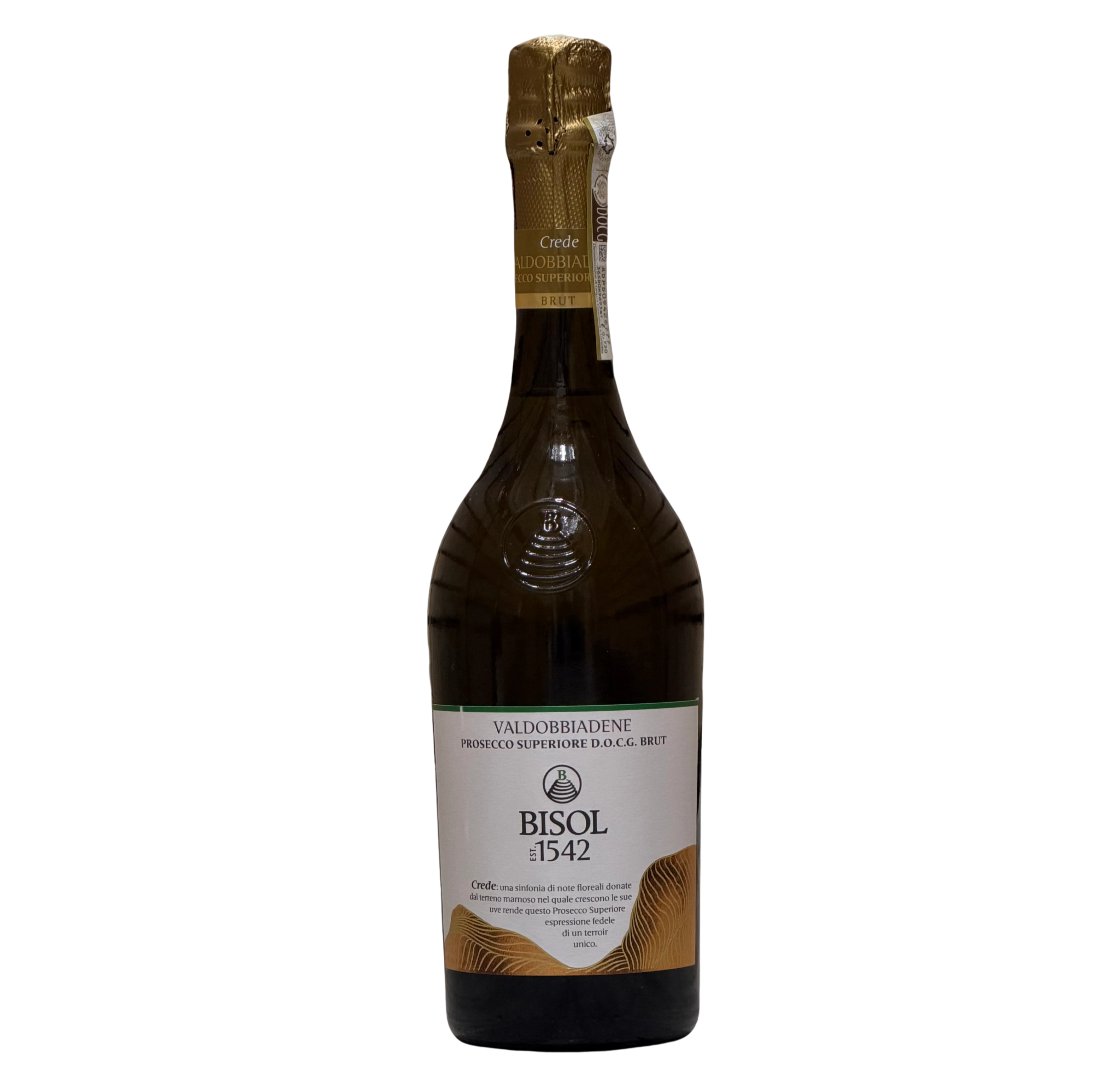
The Charmat method, used for Prosecco, ferments the wine in large pressurized tanks rather than individual bottles. The process is faster, with minimal lees contact, preserving the fresh fruit and floral character of the grape rather than yeasty complexity.
Understanding Sweetness
Bone dry, austere, mineral. No dosage added.
Very dry with tiny roundness softening acidity.
The universal standard. Balanced without perceptible sweetness.
Confusingly, sweeter than Brut. Most Prosecco falls here.
Off-dry. Noticeable sweetness.
Genuinely sweet. Perfect with dessert.
Key Regions
Sparkling wine is made on every wine-growing continent, but a handful of regions have defined the style and established the benchmarks.
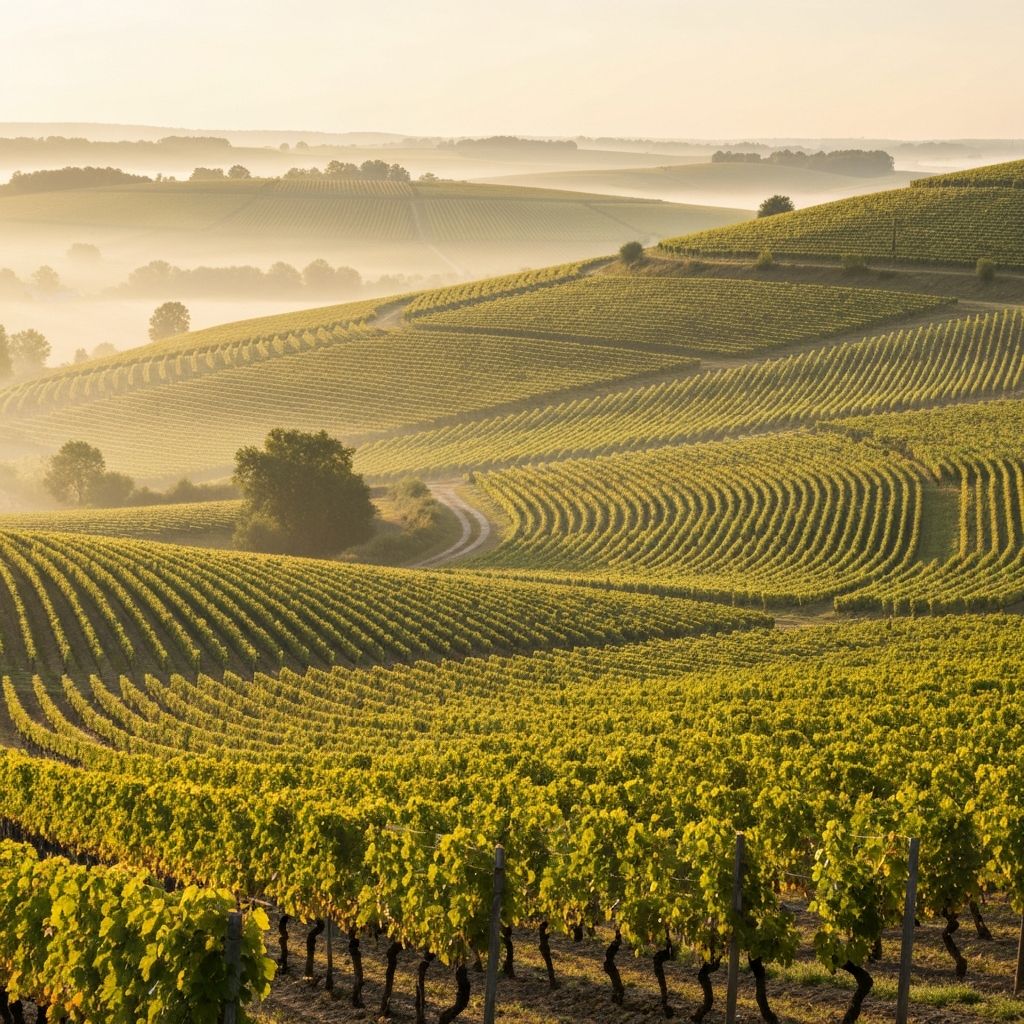
The origin point and benchmark. Cool continental climate, chalky soils, and strict appellation laws combine to produce wines of extraordinary finesse. The chalk subsoil retains heat, reflects light, and provides superb drainage.
The heartland of Prosecco Superiore DOCG. Steep hillsides classified as 'heroic viticulture,' a UNESCO World Heritage Site since 2019. Every vine must be tended by hand.
Italy's answer to Champagne. Located south of Lake Iseo, vineyards benefit from a unique microclimate moderated by the lake's thermal mass. Traditional method only.
Mountain sparkling wines at elevations reaching over 800 meters. Dramatic day-night temperature swings preserve acidity while allowing full aromatic development.
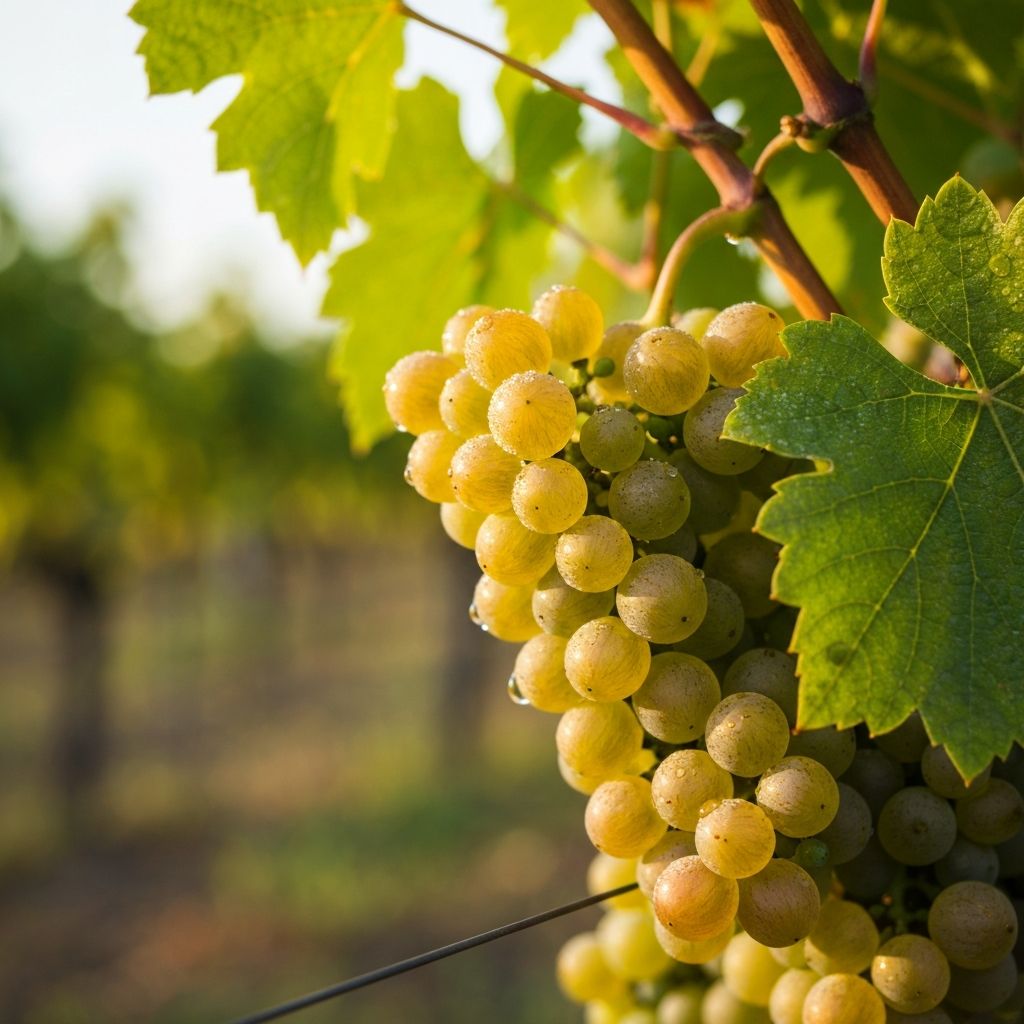
Grape Varieties
The most versatile grape in sparkling wine. Contributes elegance, citrus notes, firm minerality, and extraordinary capacity to age. The backbone of Blanc de Blancs.
Brings power, body, and depth. Pressed gently to run clear, it creates white wine with the structure of a red grape. Cherry, strawberry, and richness.
The third grape of Champagne. Ripens earlier and more reliably, contributing fruitiness, softness, and approachability. Essential to many great house styles.
The grape of Prosecco. At its best when young, fresh, and bursting with primary fruit: white peach, green apple, pear, white flowers, and subtle almond.
Food Pairings
The classic pairing is oysters. The brininess of raw oysters and the mineral, saline character of a dry sparkling wine create a pairing so natural it barely needs explanation. Fried food is another exceptional match: the effervescence cuts through oil in a way that is almost magical.
How to Serve
6-10°C (43-50°F)
Lighter styles like Prosecco benefit from the colder end. Richer wines like vintage Champagne can be served slightly warmer to allow secondary flavors to come forward. The best glass is tulip-shaped, with enough room for aromas to develop but height to showcase the bubbles.