Loading
 Back to Wine List
The Collection
Pink wines with serious character.
The Selection
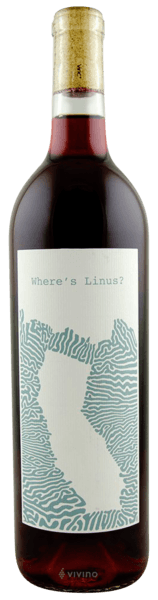
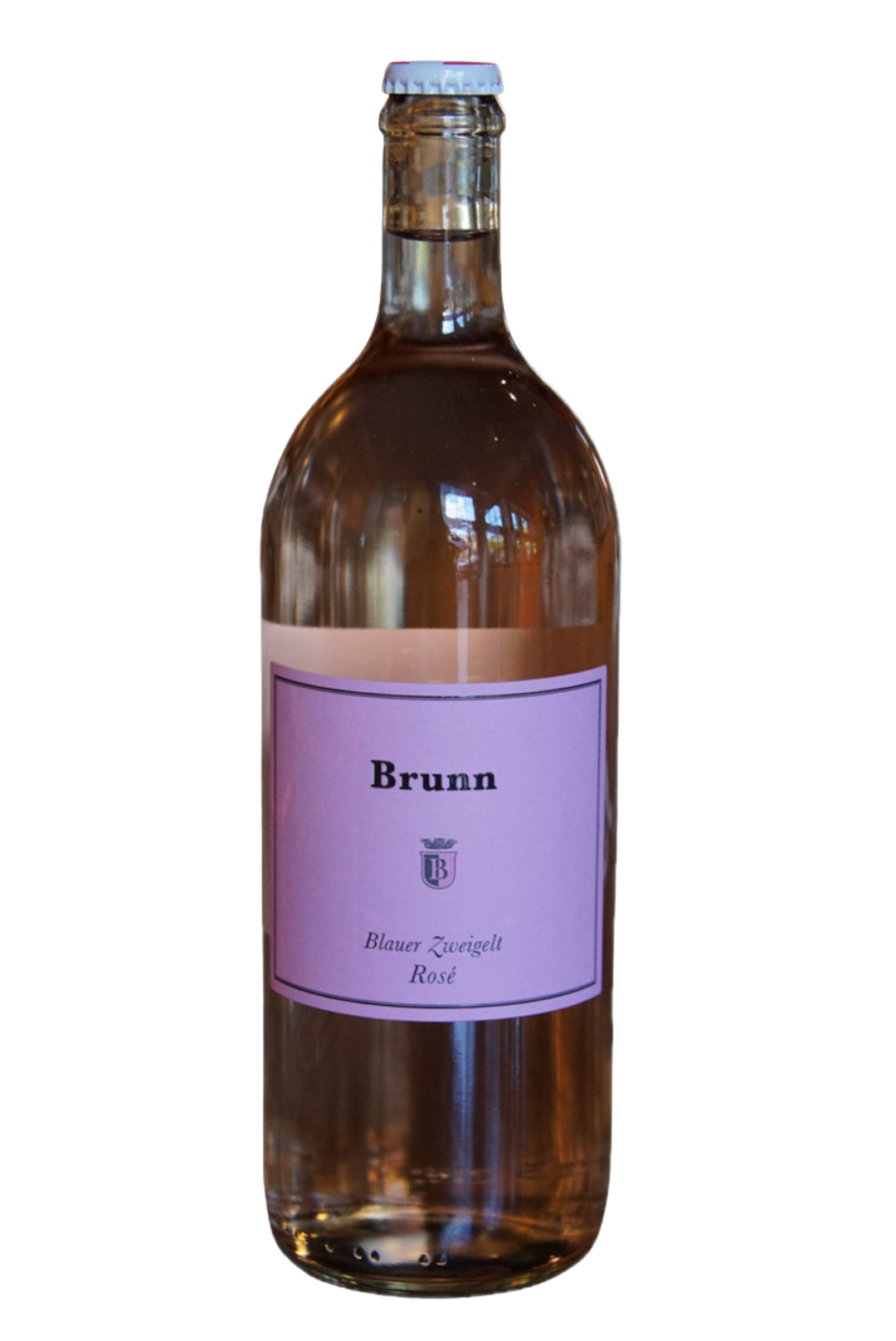
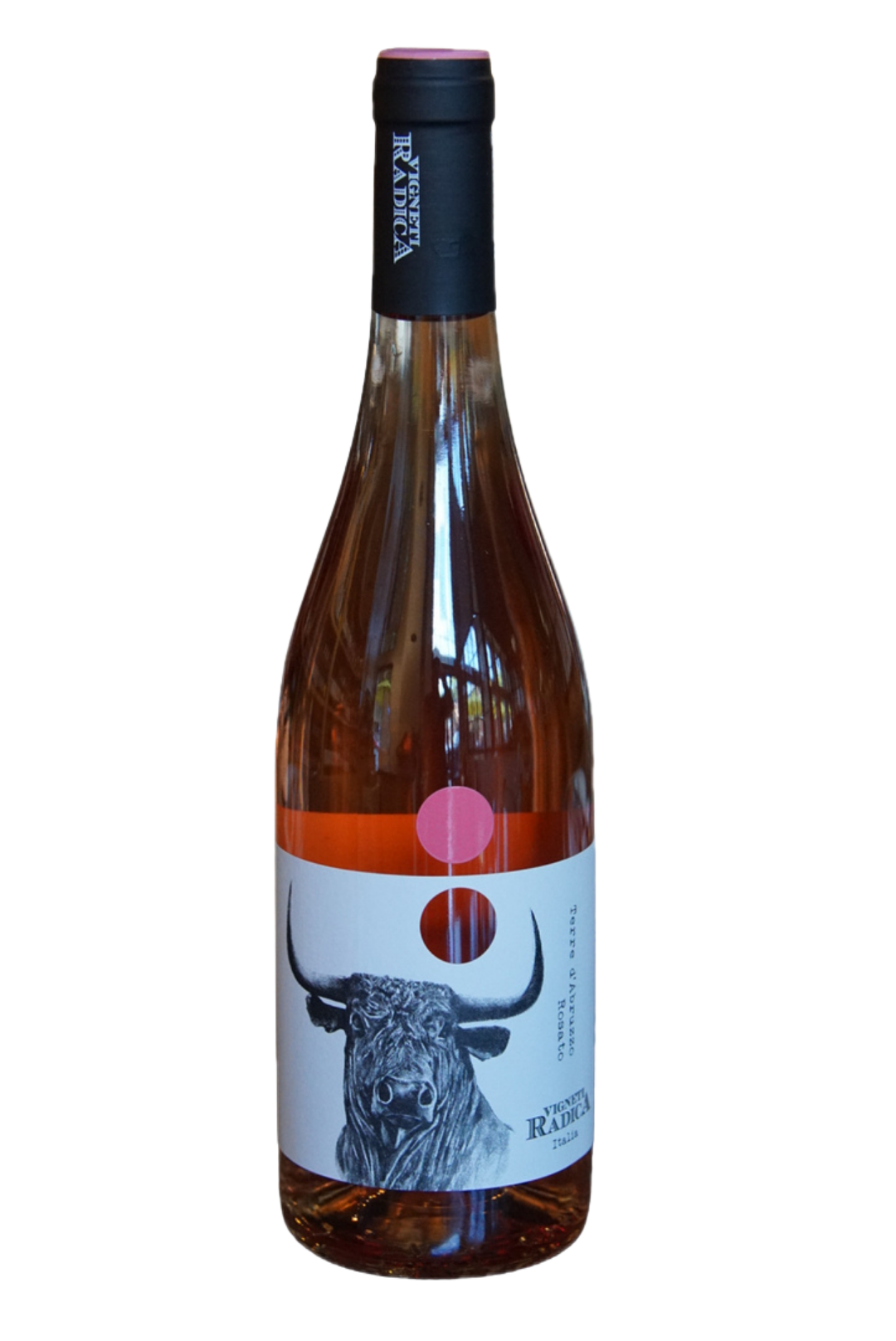
Browse current rose bottles available through the Bar Torino bottle shop before reading the deeper style notes below.
The History
Rosé may be the original wine. Before winemakers understood how to extract maximum color through prolonged maceration, most wine made from dark-skinned grapes was naturally light pink.
The juice was crushed, allowed to sit briefly with the skins, and fermented. The result was a wine that was neither white nor red but something between: a pale, refreshing drink with just enough color to distinguish it from whites. The ancient Greeks drank it. The Romans drank it. For most of human history, this was simply what wine looked like.
The first rosé wines in the modern sense were produced in Provence roughly 2,600 years ago, when Greek colonists from Phocaea founded Massalia (modern-day Marseille) and planted the region's first vineyards.
For most of history, rosé was not taken seriously. It was beach wine. The afterthought, the compromise, the bottle you ordered when you couldn't decide between red and white. Sommeliers dismissed it. Critics ignored it. The perception was that rosé was simple, seasonal, with no complexity, no structure, no ability to age.
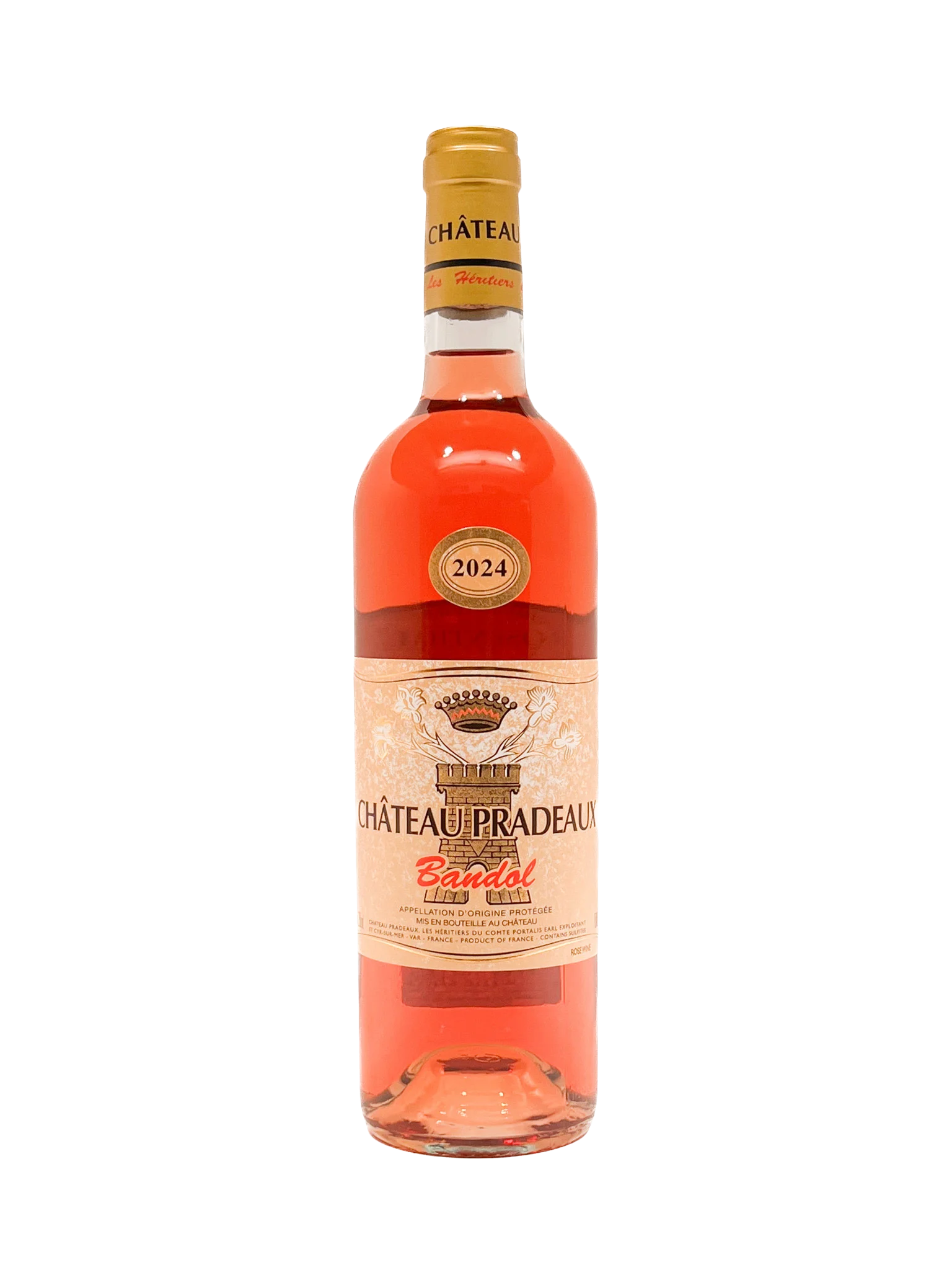
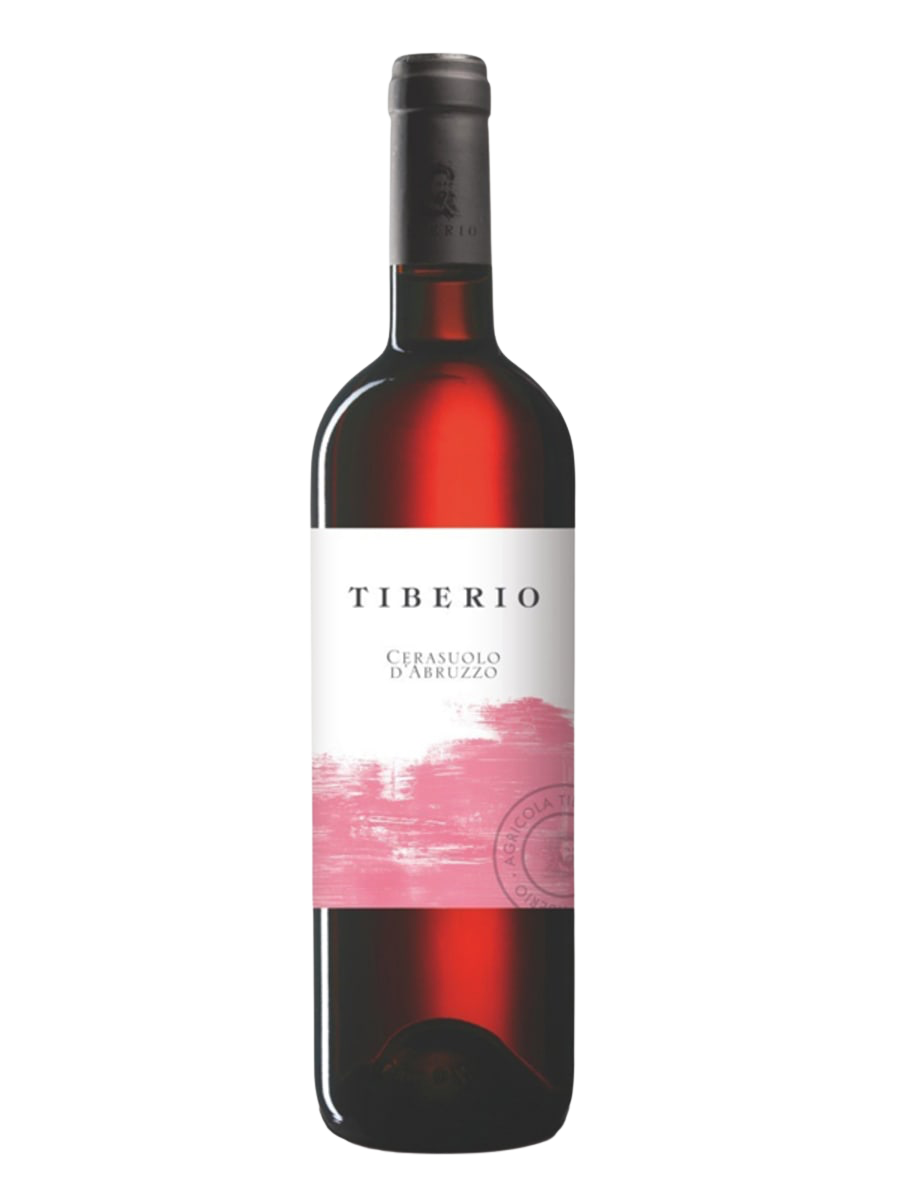
That perception began to change in the late twentieth century. In Provence, a new generation of winemakers in appellations like Bandol and Côtes de Provence began crafting rosés with the same care and ambition they brought to their reds. At the same time, in Abruzzo, producers were making rosés from Montepulciano that bore no resemblance to the pale Provençal style: deep, structured wines called Cerasuolo.
“Today, great rosé comes from everywhere: the pale, garrigue-scented wines of Provence, the structured Mourvèdre of Bandol, the deep copper Cerasuolo of Abruzzo.”
The Process
There are two primary methods for making rosé, and the distinction between them is both technical and philosophical. Understanding these methods explains why rosés can range from barely-there pale pink to deep copper.
The direct press method is used by most serious rosé producers, particularly in Provence. Grapes are crushed and the juice is immediately pressed off the skins after only minutes of contact. The result is the pale, salmon-pink hue that defines Provençal rosé.
Methods
Grapes are crushed and the juice is immediately pressed off the skins. Only minutes of contact results in pale, salmon-pink color. The purest expression, every decision is made with rosé in mind.
From the French 'to bleed.' After grapes are crushed for red wine, a portion of juice is bled off after a few hours. These rosés are deeper in color, more structured, with noticeable tannin.
Grapes sit with skins for 2-24 hours before pressing. The length determines color depth. Cerasuolo d'Abruzzo uses this method for deep copper wines with grip and persistence.
After pressing, most rosé ferments at cool temperatures in stainless steel. Some producers, particularly in Bandol, age on the lees for months, adding body, texture, and a subtle savory complexity that distinguishes gastronomic rosé from simple, early-drinking versions.
Grape Varieties
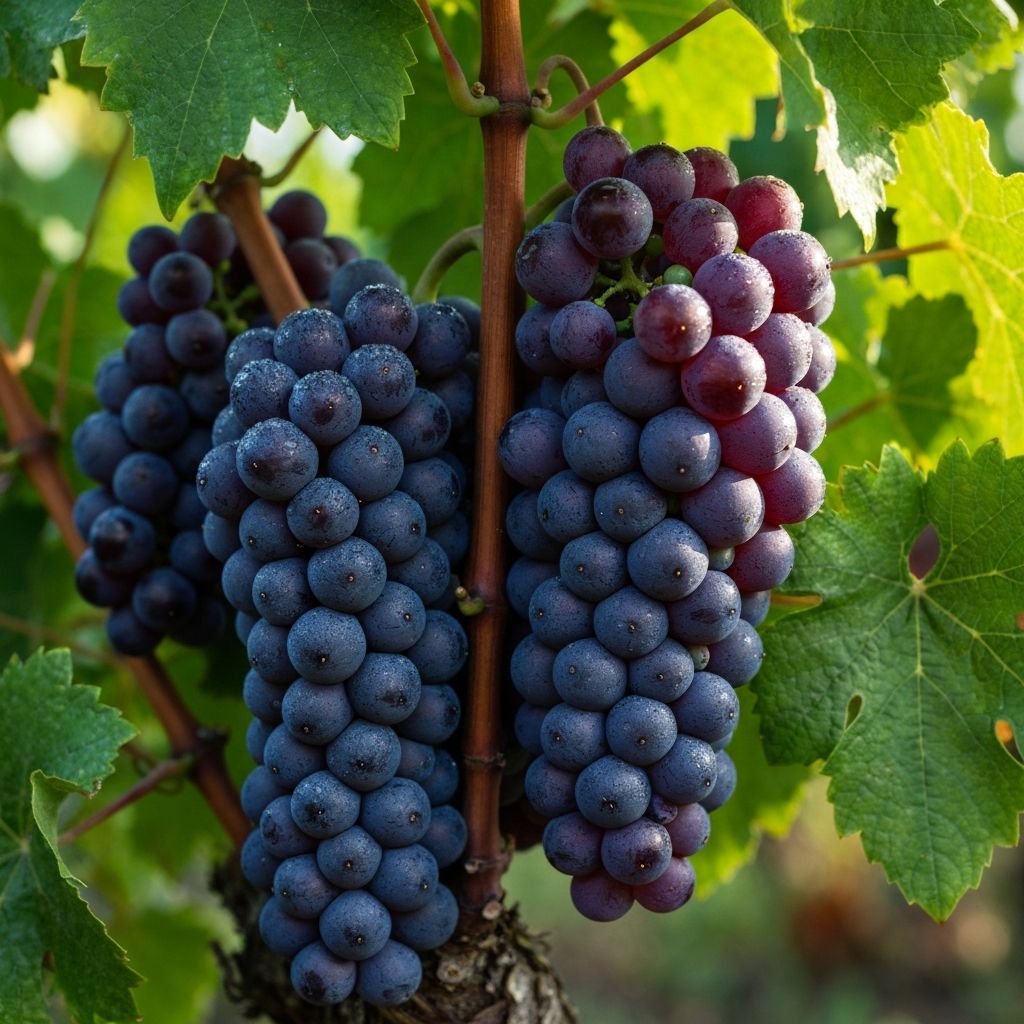
The four grapes most associated with serious rosé span a wide range of flavors, structures, and personalities.
The Provençal standard. A warm-climate grape producing wines with strawberry, white peach, watermelon, and herbs. Pale in color, soft in acidity, with a round, generous mouthfeel that makes them immediately appealing.
The grape that separates good rosé from great. Thick-skinned and late-ripening, it needs 'its feet in the water and its head in the sun.' Produces rosés of remarkable structure: savory, spicy, mineral, with garrigue and blood orange. Among the few rosés that can age.
When used for Cerasuolo, produces rosé fundamentally different from Provence: deeper in color (cherry, copper), more vinous, with sour cherry, wild strawberry, and a tannic structure that gives grip. A pink wine with the confidence of a red.
Key Regions
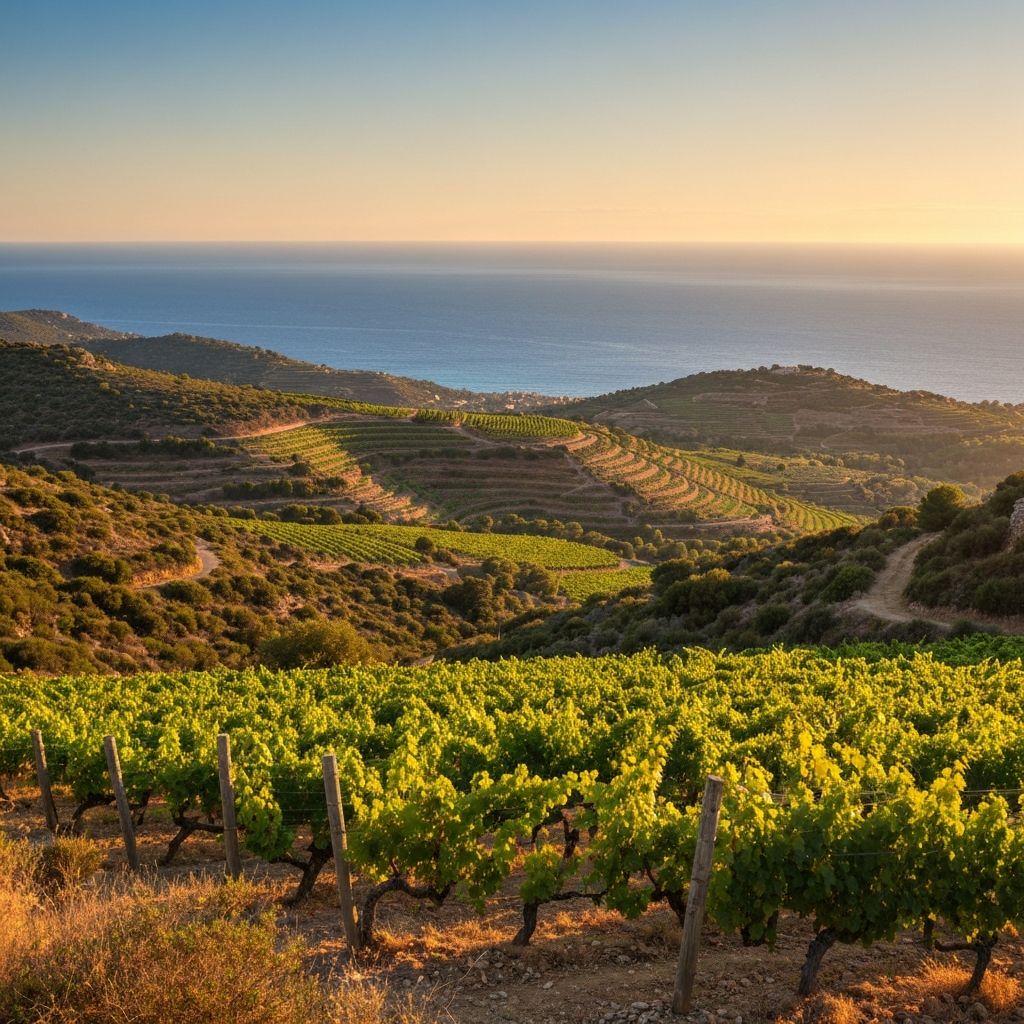
The spiritual capital of rosé. From Marseille to Nice, this Mediterranean coast produces more rosé than any other region on earth. Hot, dry summers moderated by the Mistral wind. Defined by paleness, dryness, and aromas of red fruit, citrus, and garrigue.
A small appellation directly on the Mediterranean between Toulon and Marseille. The only Provence appellation where Mourvèdre dominates. These rosés carry structure and savoriness, gastronomic wines built for the table and built to reward attention.
From the Gran Sasso mountains to the sea. Sandy, calcareous clay soils. Cerasuolo, from cerasa, the dialect word for cherry, has been made here for centuries. Not a summer wine but a year-round wine, as comfortable with winter braise as summer salad.
At The Table
Rosé is one of the most versatile wine styles at the table. It excels with the foods of the Mediterranean: grilled fish, seafood pasta, Niçoise salad, ratatouille, and the endless variations of vegetables, olive oil, and herbs.
Grilled fish, roasted shellfish, bouillabaisse, lamb tagine, Mediterranean vegetables. Its savory character makes it remarkable with curries. Enough weight for charcuterie, grilled pork, or chicken with herbs. Can handle cooked cheeses like Comté and Beaufort.
Critics describe it as having the freshness of rosé with the structure of a red. Partner for roasted poultry, veal, pork, mushroom pastas, and heartier fish like swordfish or tuna. At Bar Torino: the meatballs, the Bolognese, the pork chop.
Sushi and sashimi pair surprisingly well. The wine's acidity cuts the fat, and its fruit echoes raw seafood's subtle sweetness. Light pasta with tomato, pesto, or seafood. And charcuterie, always charcuterie, is rosé's steadfast companion.
Service
Temperature is critical, perhaps more so than for any other wine. Served too cold, rosé loses its aromatics. Too warm, it becomes flabby. The ideal is 10-12°C (50-54°F), cooler than red but warmer than most whites.
For structured rosés like Bandol or Cerasuolo, err toward 12°C. These wines have complexity that deserves to be experienced fully; over-chilling hides the very qualities that make them special.
Temperature
10-12°C
50-54°F
Glassware
White wine glass
Medium tulip
Aging Potential
3-10 years
For serious rosés
Continue Exploring
Discover why rosé deserves a place at the serious table.
Often blended with Mourvèdre and Grenache to provide lift and freshness. The Château Pradeaux Bandol Rosé uses Cinsault alongside Mourvèdre, creating balance between power and elegance.