Loading
 Back to Wine List
The Collection
Ancient technique, modern rediscovery.
The Selection
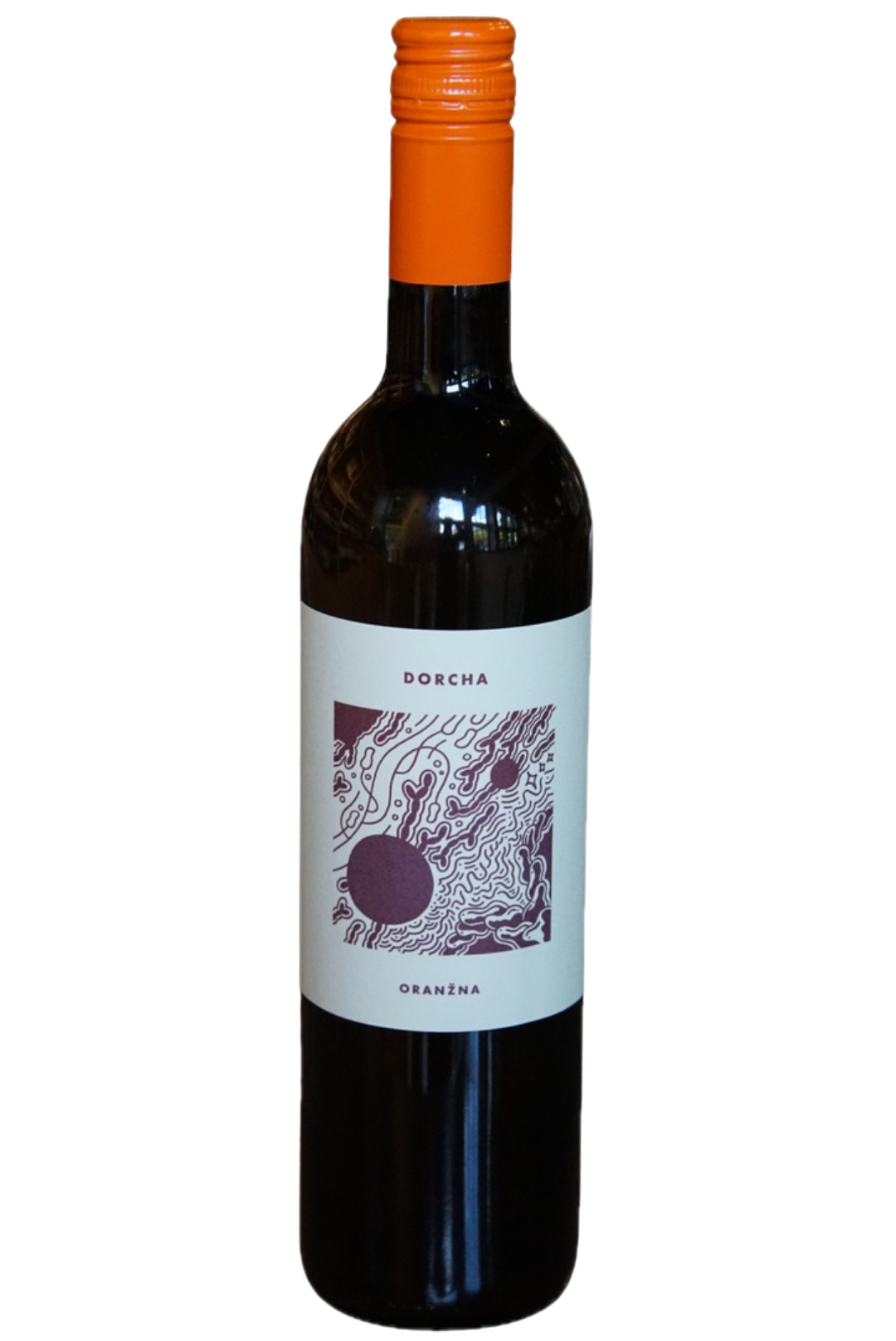
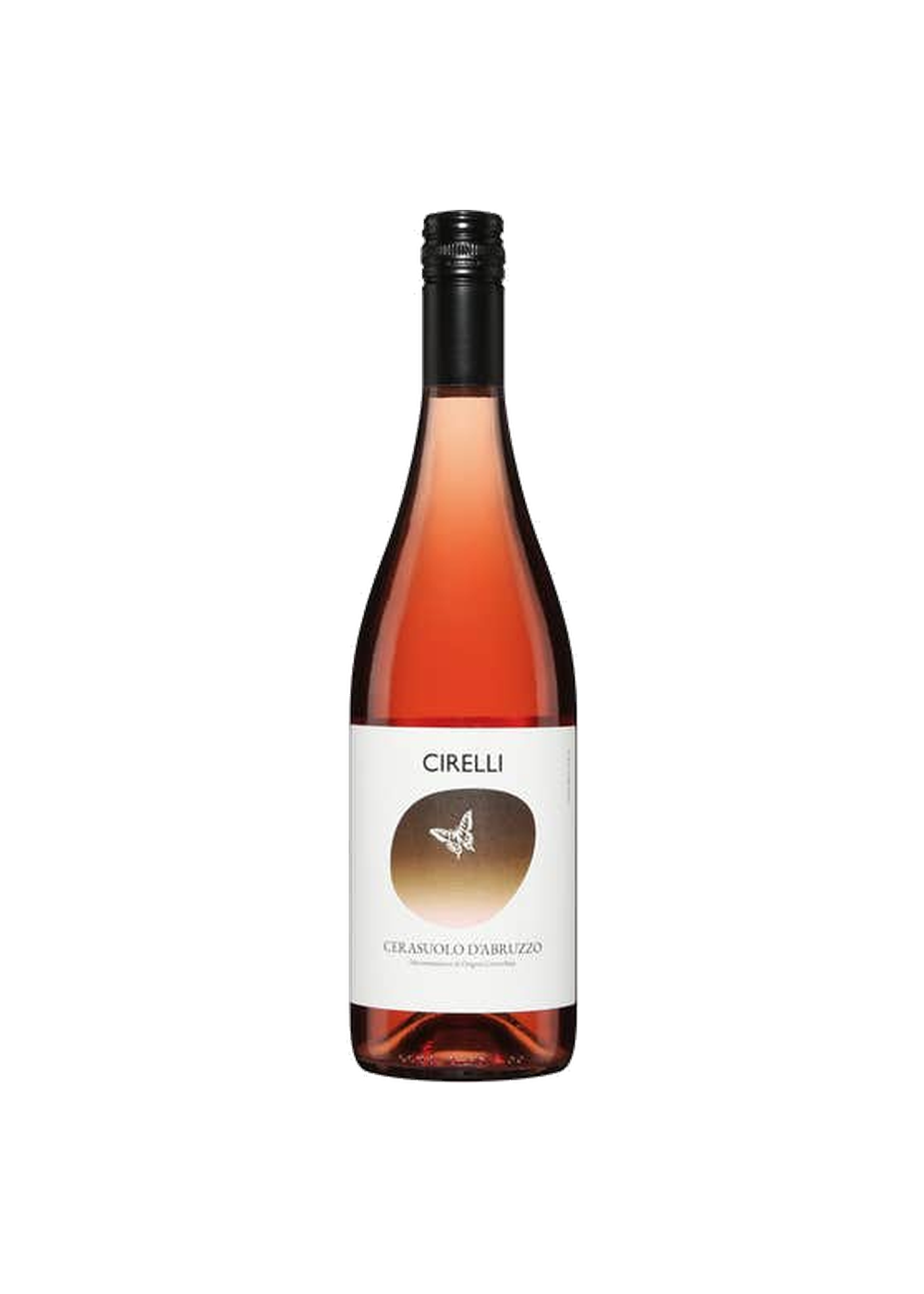
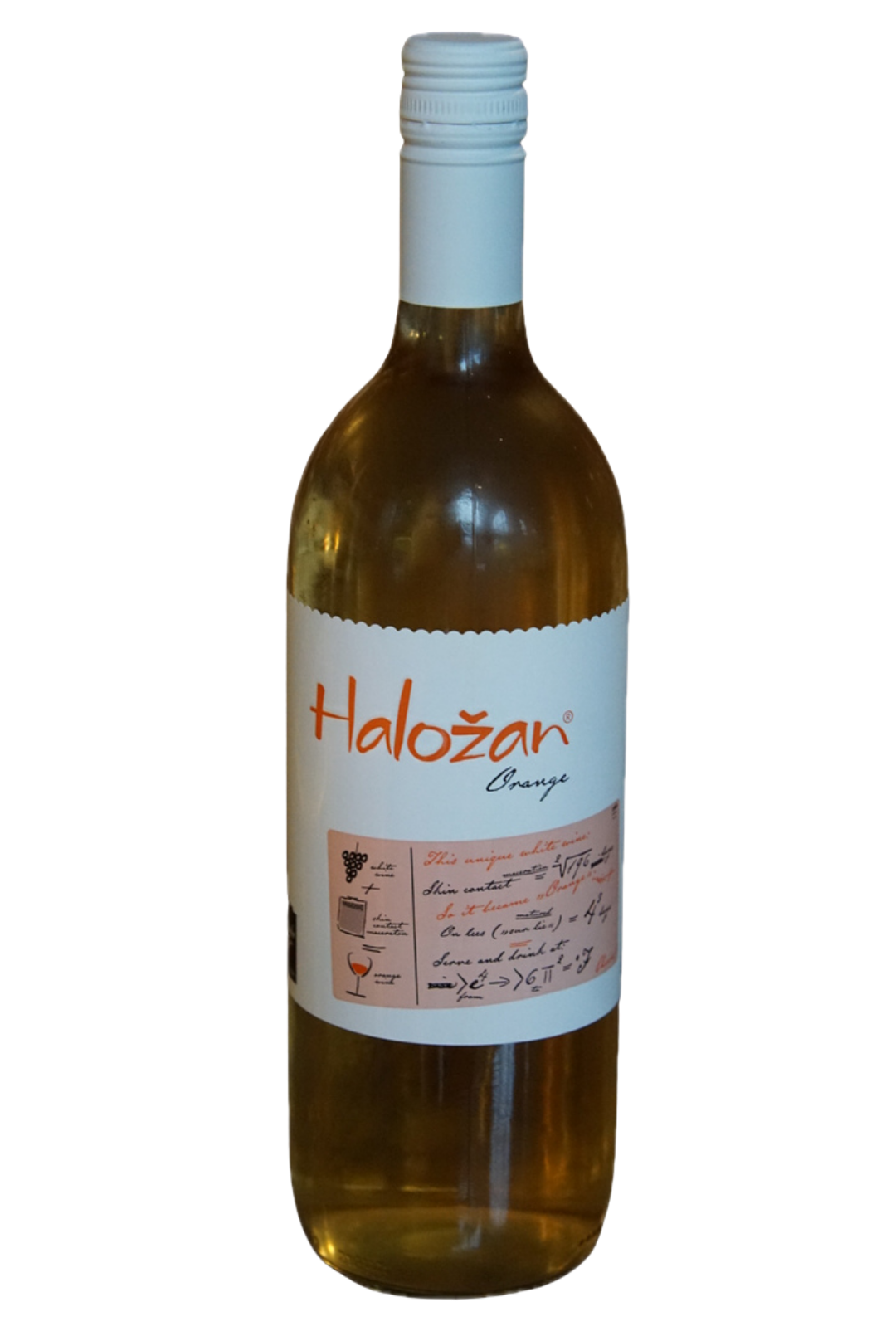
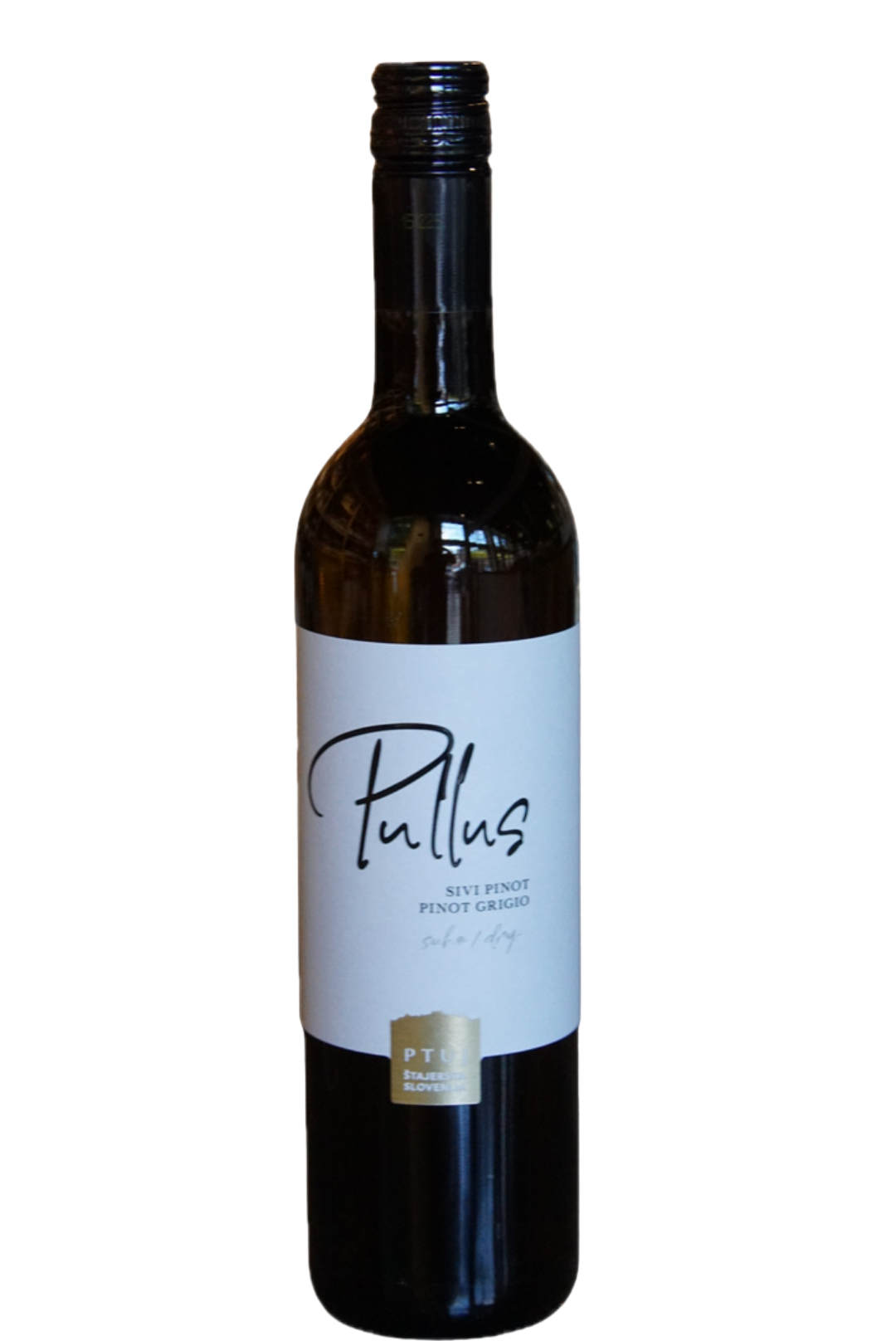
Browse current orange and skin-contact bottles available through the Bar Torino bottle shop before reading the deeper style notes below.
8,000 Years
Orange wine is simultaneously the oldest and the newest category in wine. Eight thousand years ago, in the Caucasus region of what is now the Republic of Georgia, winemakers were fermenting white grapes with their skins in large clay vessels called qvevri.
The juice, in prolonged contact with the skins, seeds, and sometimes stems of white grapes, extracted pigment, tannin, and a range of phenolic compounds that turned it amber, gold, or copper, producing a wine that looked nothing like what the modern world thinks of when it hears the word "white."
These wines were not a style choice. They were simply wine, the product of the most natural and intuitive method of fermentation available to a civilization that had no stainless steel, no temperature control, and no oenology textbooks. The qvevri was lined with beeswax, filled with crushed grapes, sealed with a stone lid, and buried in the earth. The earth regulated the temperature. The clay breathed. The wine made itself.
For millennia, this was how wine was made across much of the ancient world. The technique persisted in Georgia unbroken to the present day, earning UNESCO Intangible Cultural Heritage recognition in 2013.
The Revolution
The modern orange wine movement began not in Georgia but in Oslavia, a hamlet of six hundred people in the hills above Gorizia in northeastern Italy's Friuli-Venezia Giulia region.
In the 1990s, two neighboring winemakers, Josko Gravner and Stanko Radikon, independently arrived at the same conclusion: that modern white winemaking had stripped the wines of their region of depth, identity, and soul.
Both had been commercially successful producers of technically polished Friulian whites in the 1980s. And both, at the height of their success, decided that they no longer enjoyed drinking their own wines.
"He was the first to go back."
Fellow winemaker Podversic on Gravner
The Pioneers
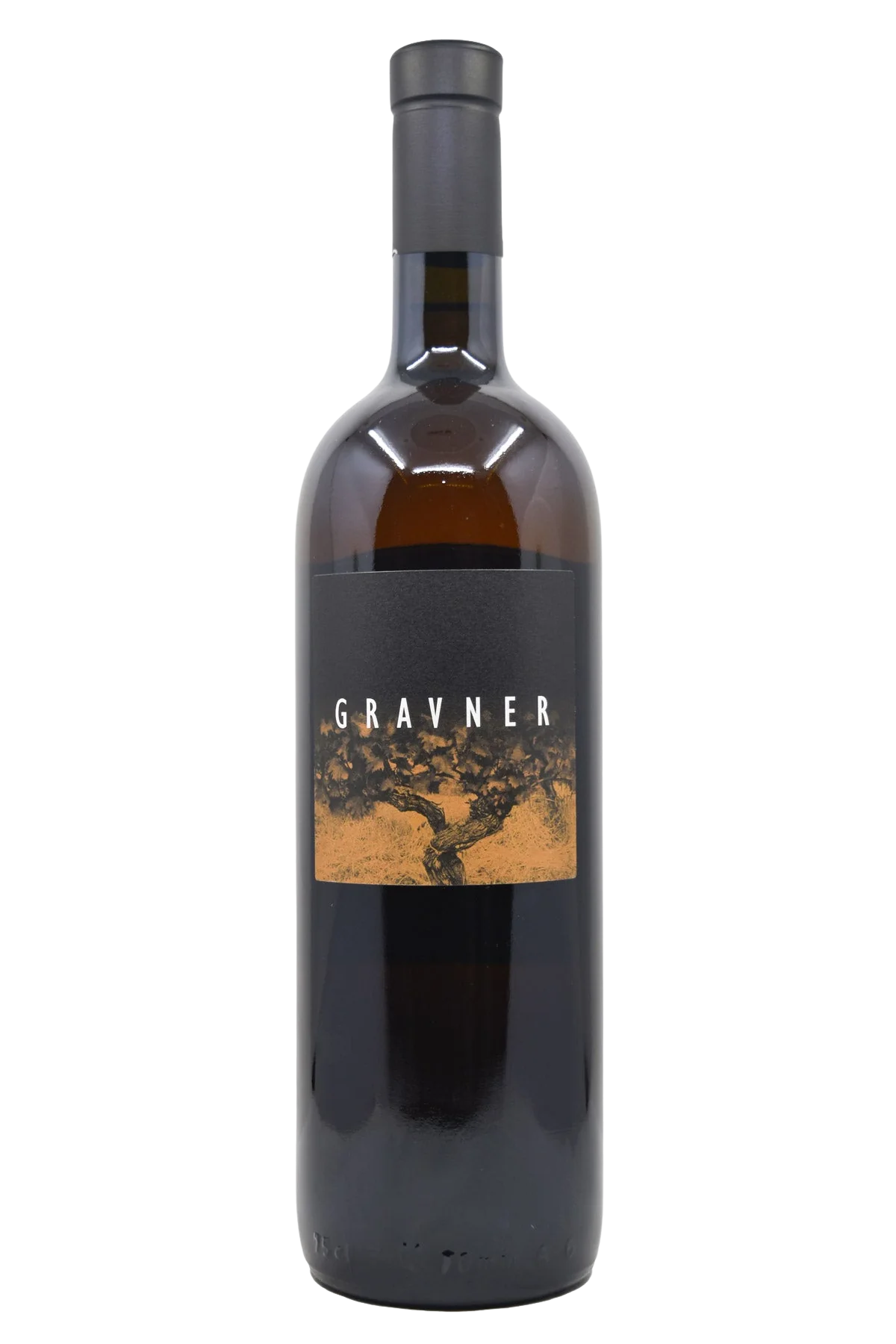
After a trip to California in 1987 left him disillusioned with the industrialization of wine, and a devastating hailstorm in 1996 destroyed nearly his entire Ribolla crop, Gravner began experimenting with skin fermentation and wild yeasts.
His eureka moment came when he tasted the skin-fermented, wild-yeast wine and recognized, for the first time, the true flavor of his precious Ribolla grapes.
In 2000, he traveled to Georgia and was captivated by the qvevri tradition. By 2001, he had transported eleven handcrafted Georgian amphorae to his cellar, buried them beneath the floor, and begun fermenting all of his wines in clay.
Today: 22,000 bottles/year from 47 buried qvevri. Wines released 7+ years after harvest.
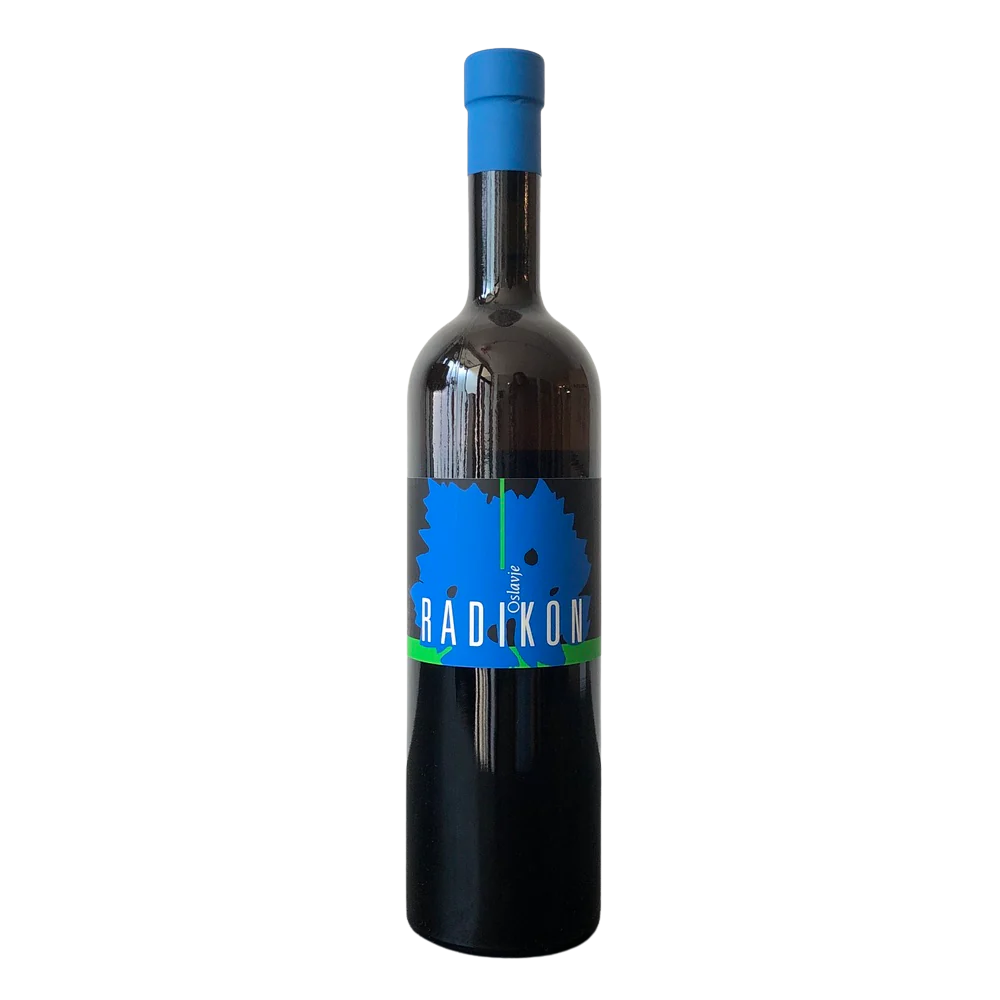
In 1995, Stanko Radikon returned to the process of long skin maceration that his grandfather Franz Mikulus had used decades earlier. He wanted to honor local grapes like Ribolla Gialla.
The Radikon family, ethnic Slovenians, had farmed in Oslavia for more than two centuries. Stanko experimented extensively, eventually settling on roughly three months of skin contact, followed by three to four years of aging in large Slavonian oak casks.
In 2002, he stopped adding sulfur entirely. He designed his own bottles with slimmer necks and custom corks to optimize aging conditions.
When Stanko passed in 2016, his son Sasa stepped in, honoring his father's methods.
The Method
At its core, elegantly simple: make white wine the way you would make red wine.
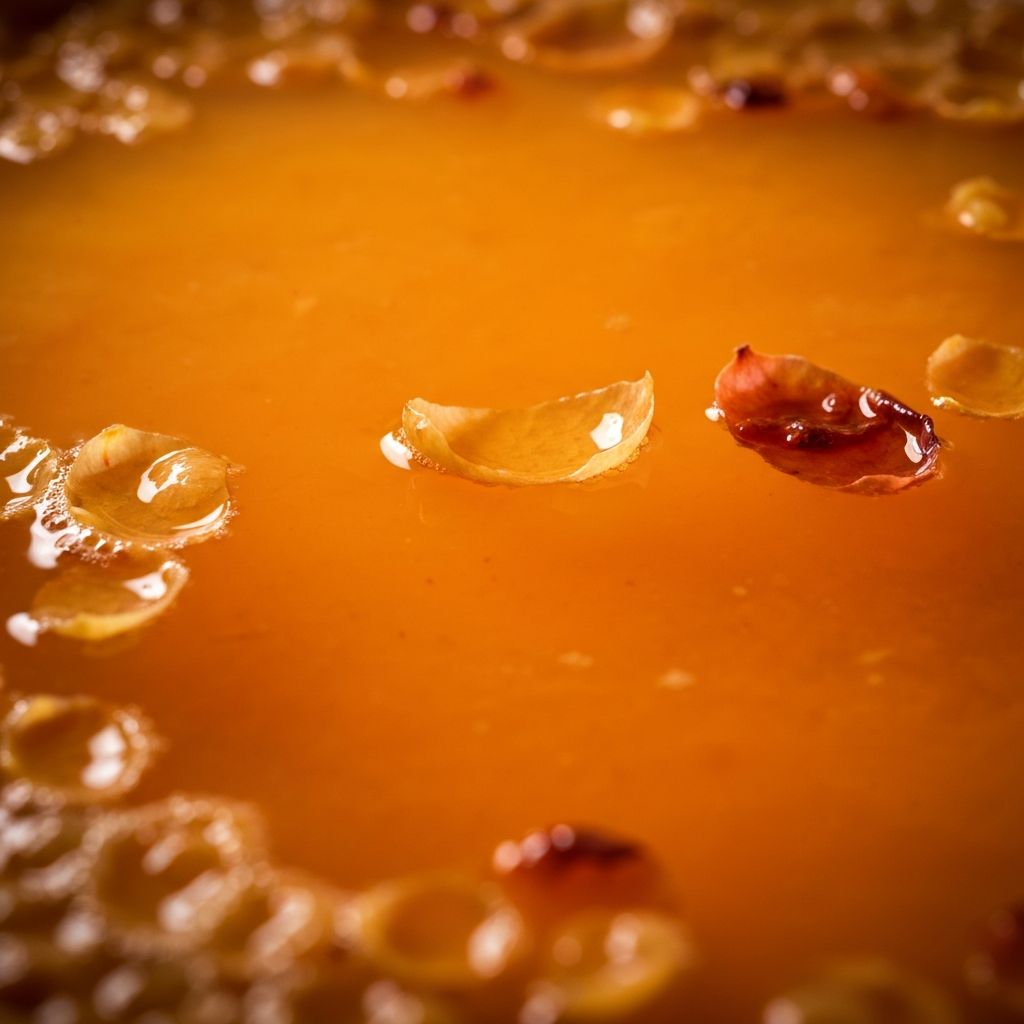
Instead of separating juice from skins immediately, leave them together for days, weeks, or months.
The skins release color, tannin, and phenolic compounds, transforming the wine amber, gold, or copper.
Native yeasts, no temperature control, no sulfur. The wine develops complexity over months.
Years in large oak or clay, then more in bottle. Time, patience, transformation.
The Varieties
The defining grape
Native to the hills of Collio and Goriska Brda, traceable to the thirteenth century. Thick skins yield generous tannin and deep amber color. Gravner has committed his entire white wine production to this single variety.
The transformation
Despite its reputation as a light, neutral white, Pinot Grigio is actually a pink-skinned grape. When macerated, it reveals its true nature: copper-pink hue and textural weight completely absent from conventional versions.
The international
Not indigenous to Friuli but grown there for generations. Responds well to extended maceration, gaining texture and complexity while losing some varietal typicity. Contributes body and roundness to blends.
The lift
In the Radikon Oslavje blend, Sauvignon Blanc adds aromatic lift and acidity, creating a co-fermented field blend that is greater than the sum of its parts.
600
Residents
20km
To Adriatic
Ponca
Ancient Soils
The Terroir
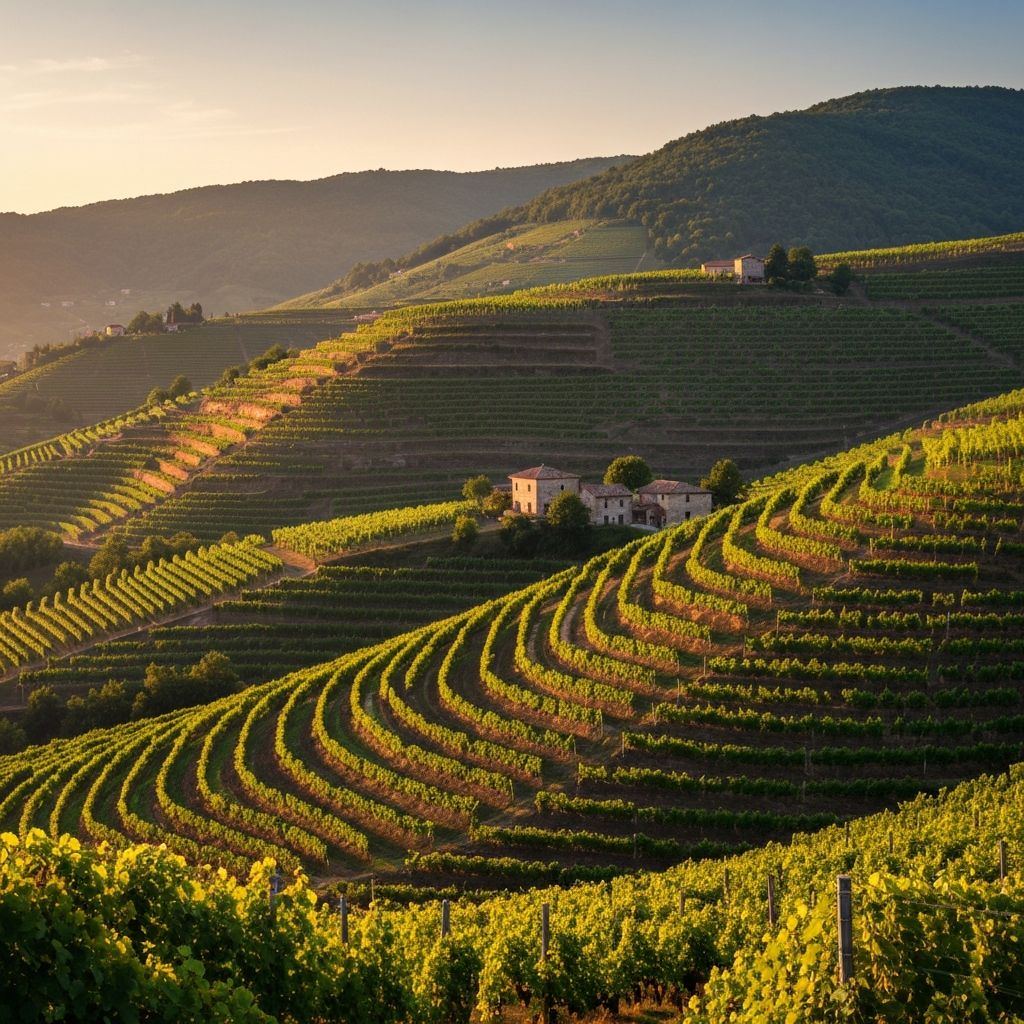
Oslavia is a hamlet of roughly six hundred people in the hills above Gorizia, in the far northeastern corner of Italy. Road signs are trilingual: Italian, Slovenian, and sometimes Friulian.
The soils, known locally as ponca (Italian) or opoka (Slovenian), are ancient sedimentary marls: alternating layers of sandstone and clay, deposited millions of years ago when this area was an ocean floor.
The mineral content of ponca is directly responsible for the saline, mineral finish that defines the best wines of the region.
At The Table
Orange wine has the aromatics and acidity of a white, the tannin and structure of a light red, and a savory depth that belongs to neither category.
Tannin and acidity cut through fat and salt
Nutty, crystalline qualities echo the wine
Savory depth harmonizes with umami
Handles fermented flavors, spice, and funk
Structure meets complexity
Acidity cleanses, tannins refresh
At Bar Torino
Orange wine alongside the meatballs, with their sharp provolone and from-scratch marinara. The Calabrian wings with chili heat and citrus brine. Even the white pizza with mushrooms and ricotta.
How To Serve
12-16°C
Cooler than most reds, warmer than most whites. Too cold suppresses aromatics; too warm loses freshness.
Decant
Exposure to air opens these wines dramatically. Use a wide-bowled glass, not narrow flutes.
Patience
The first sip may be austere. The fifth, thirty minutes later, honeyed and complex. Time rewards.